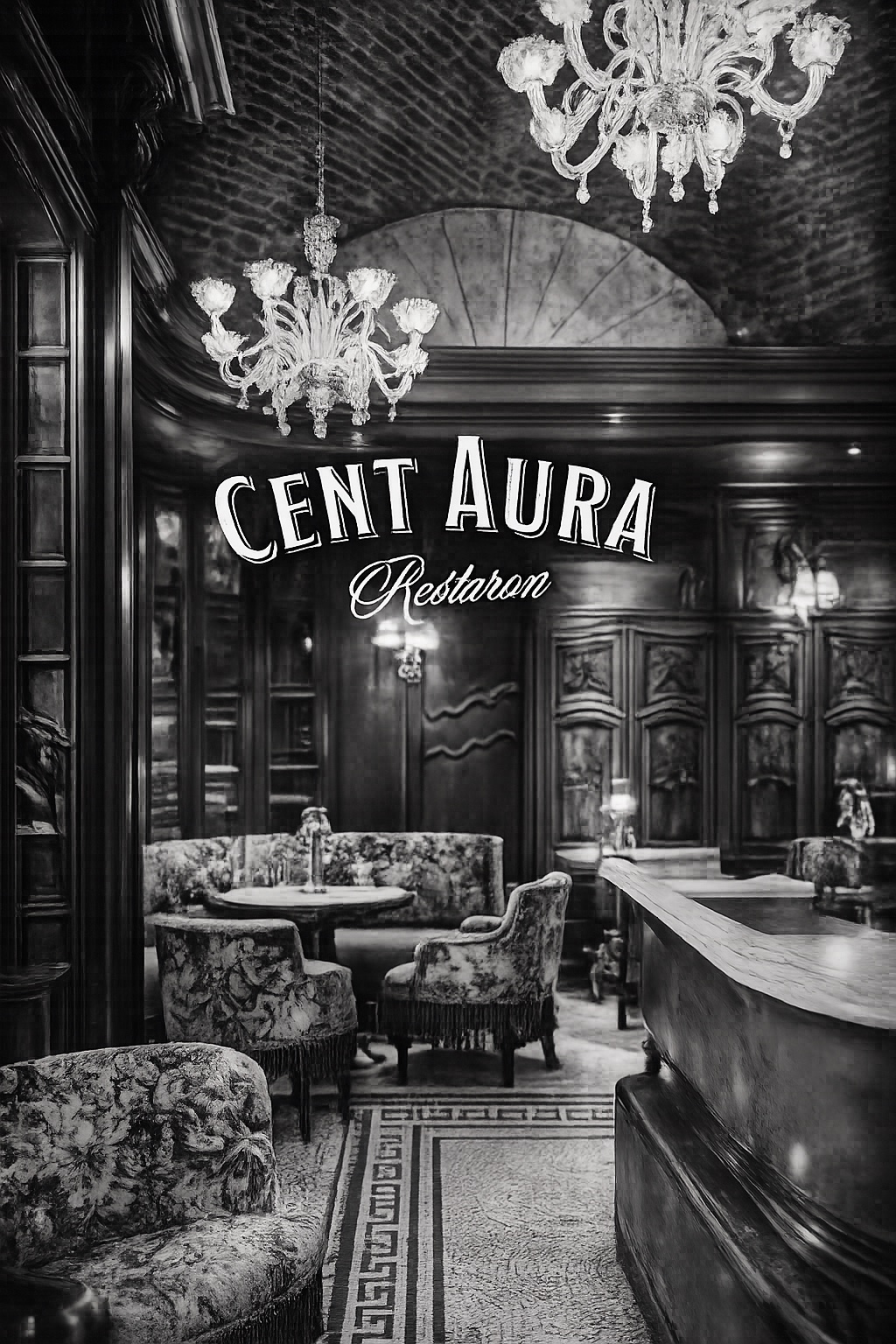
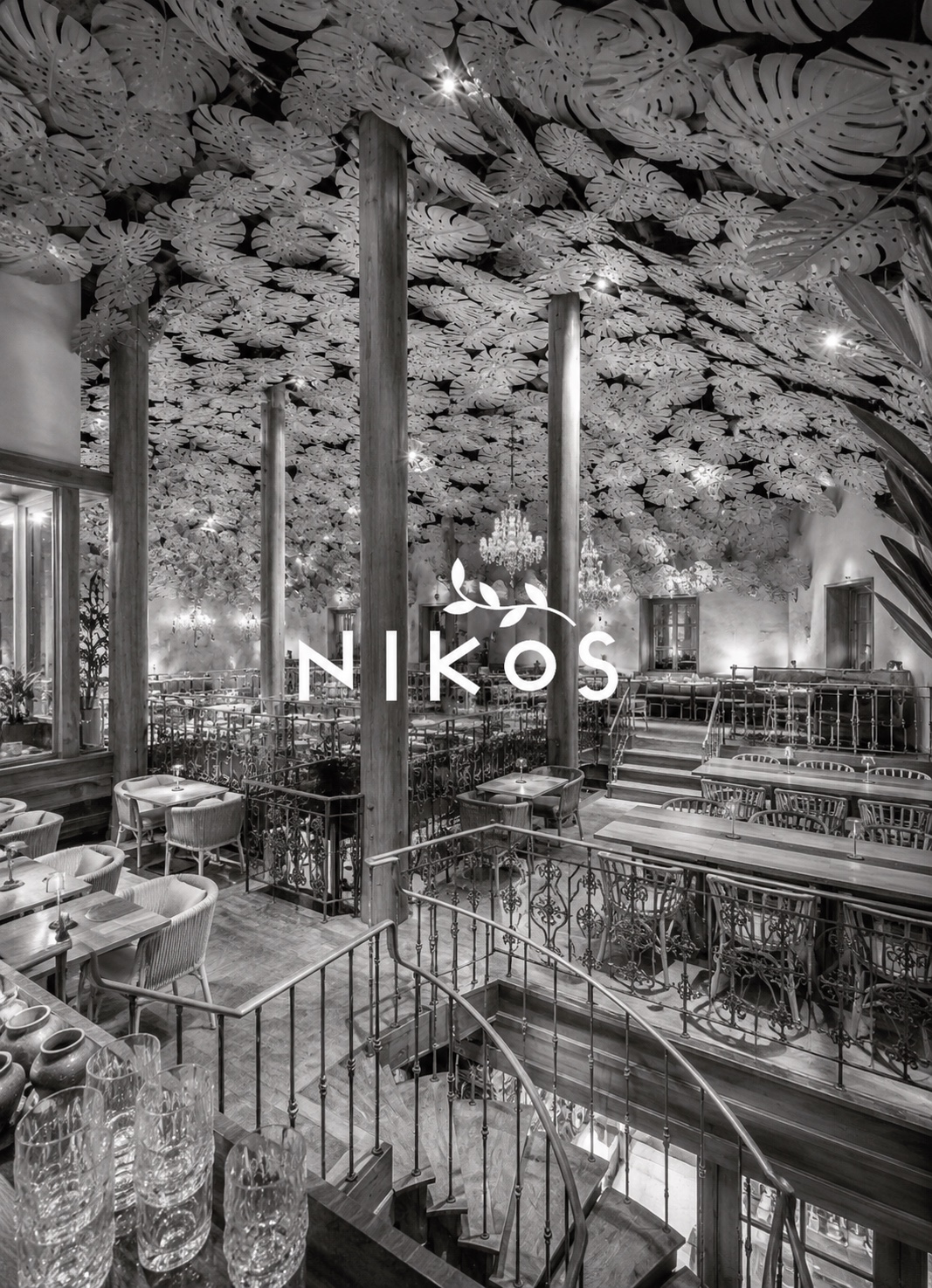
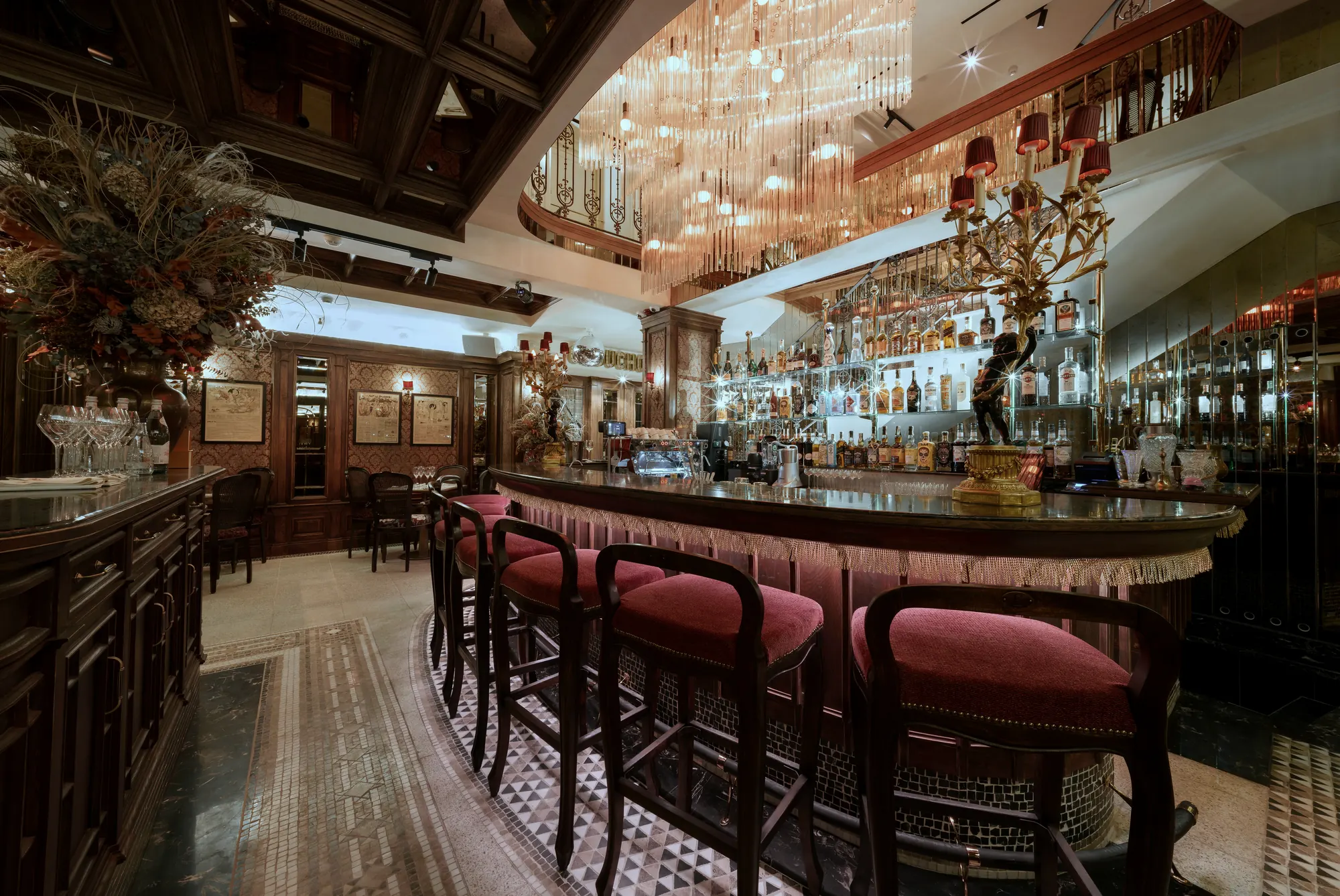
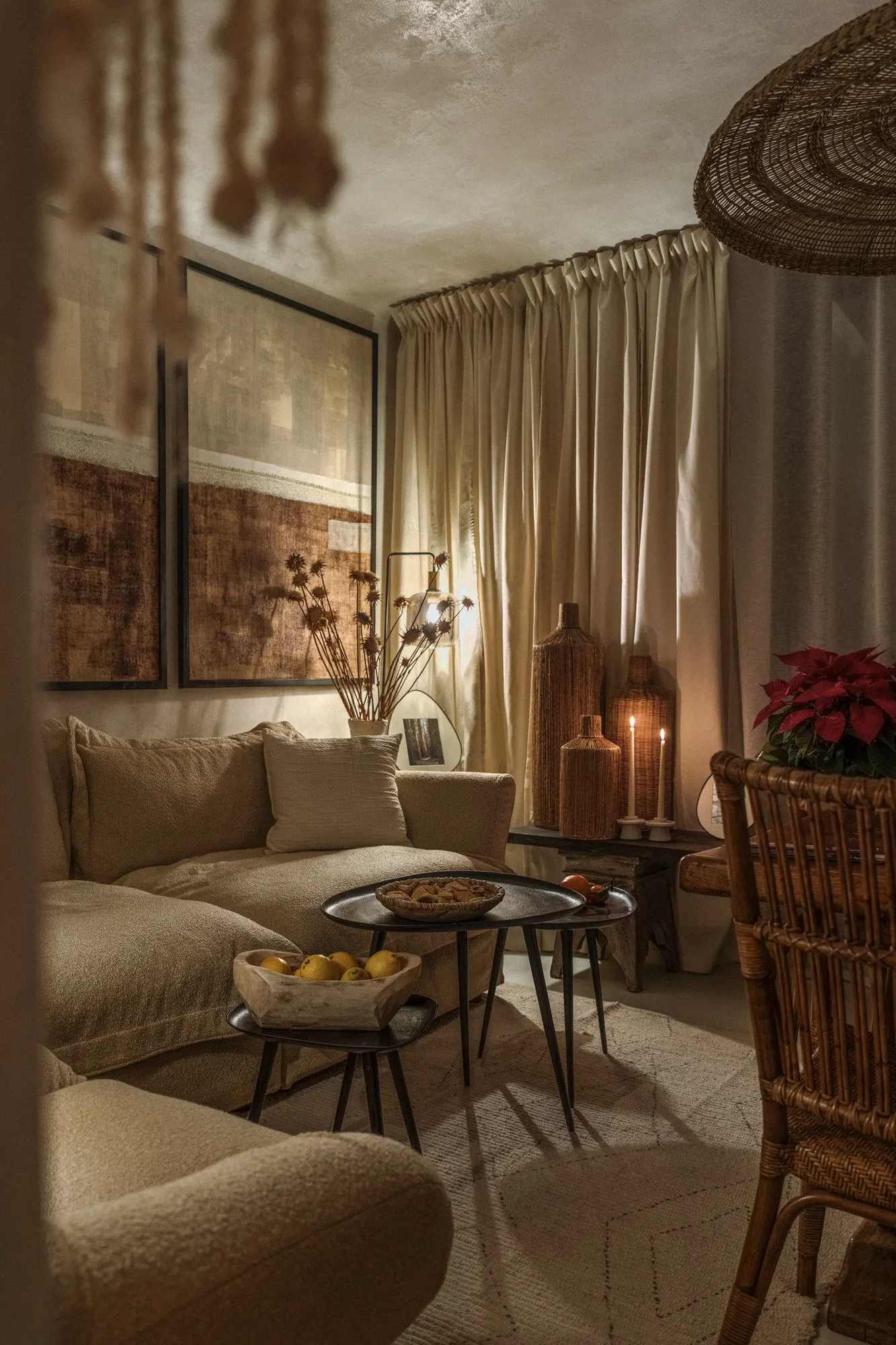
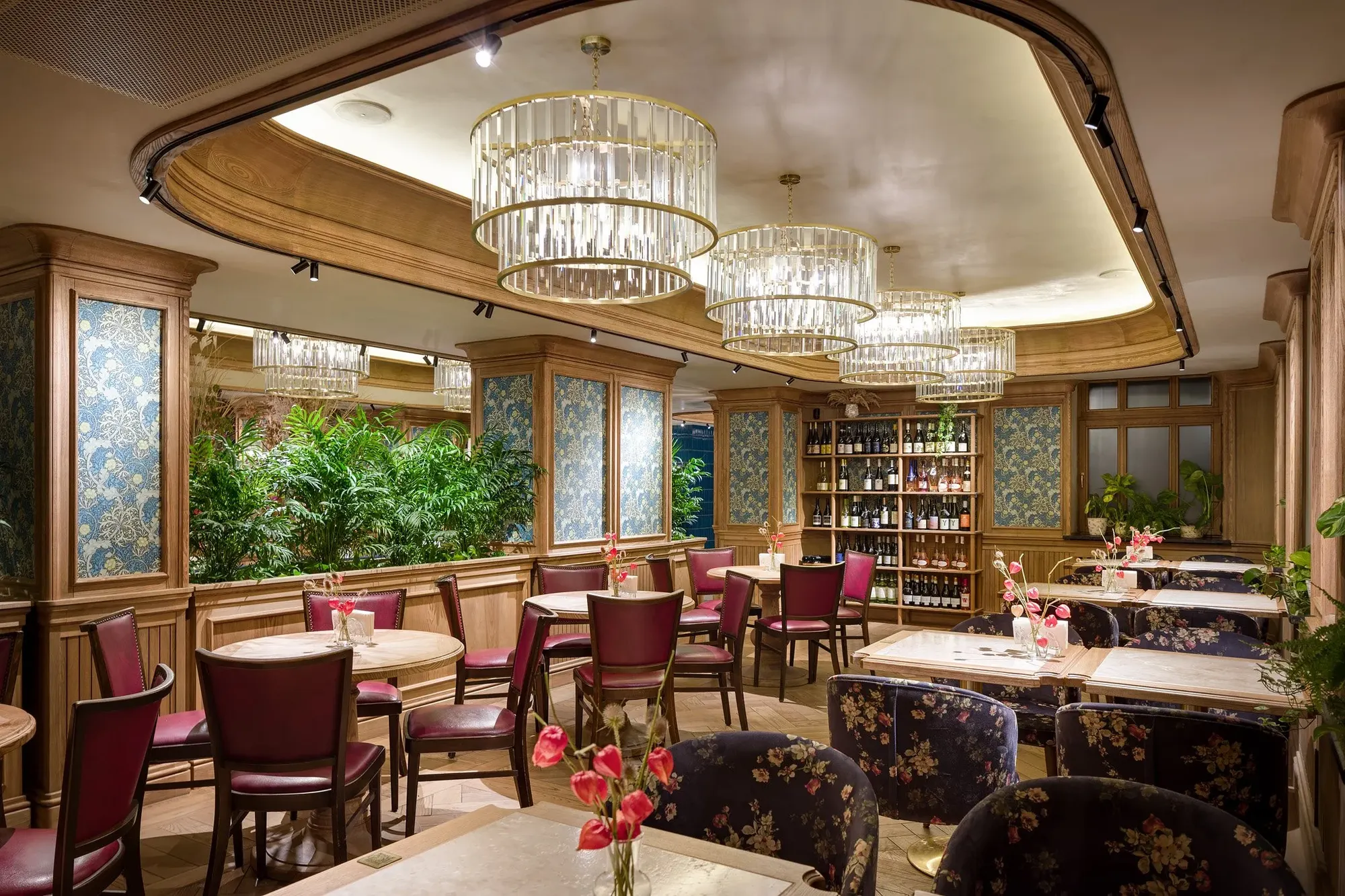
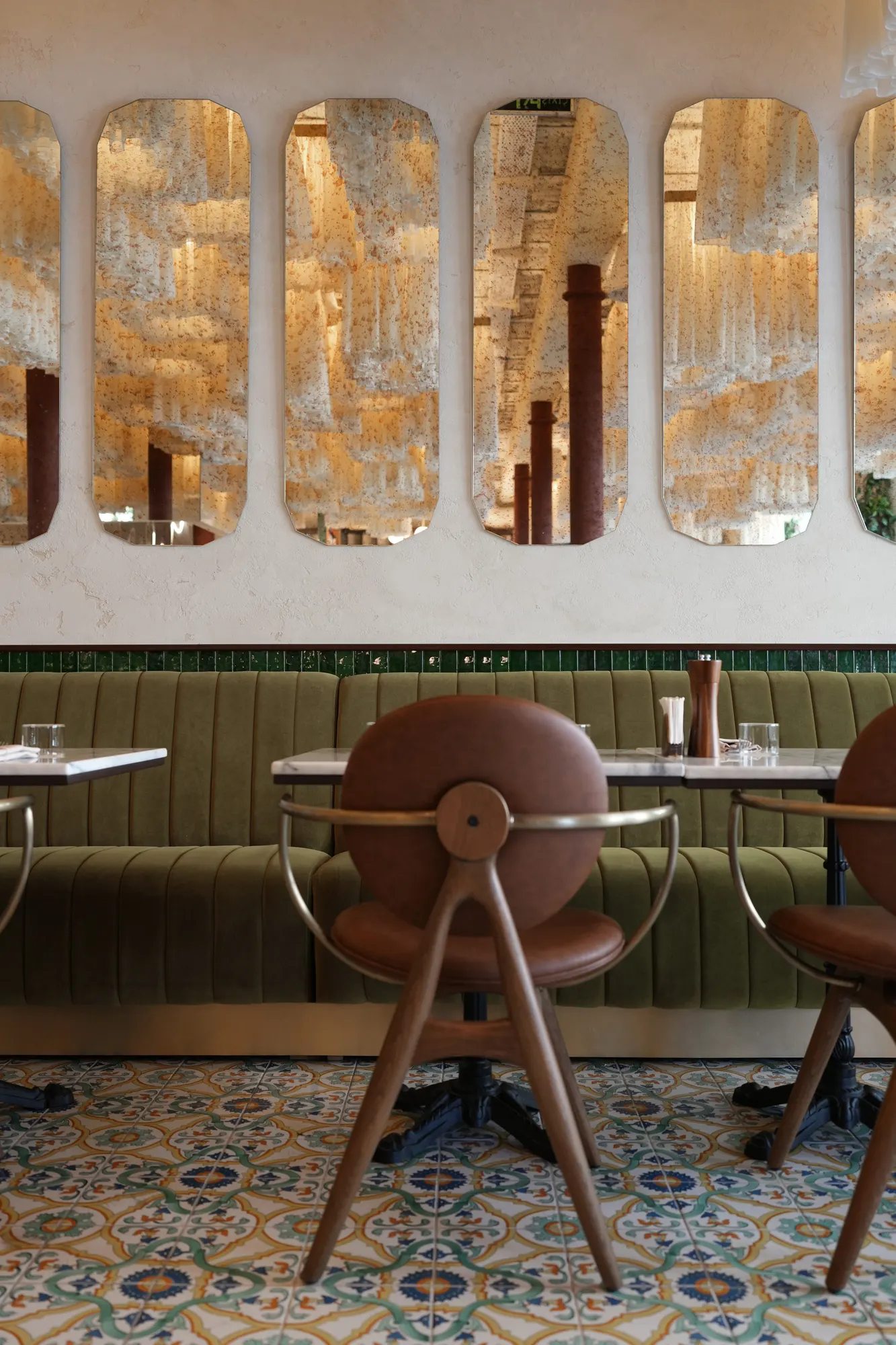
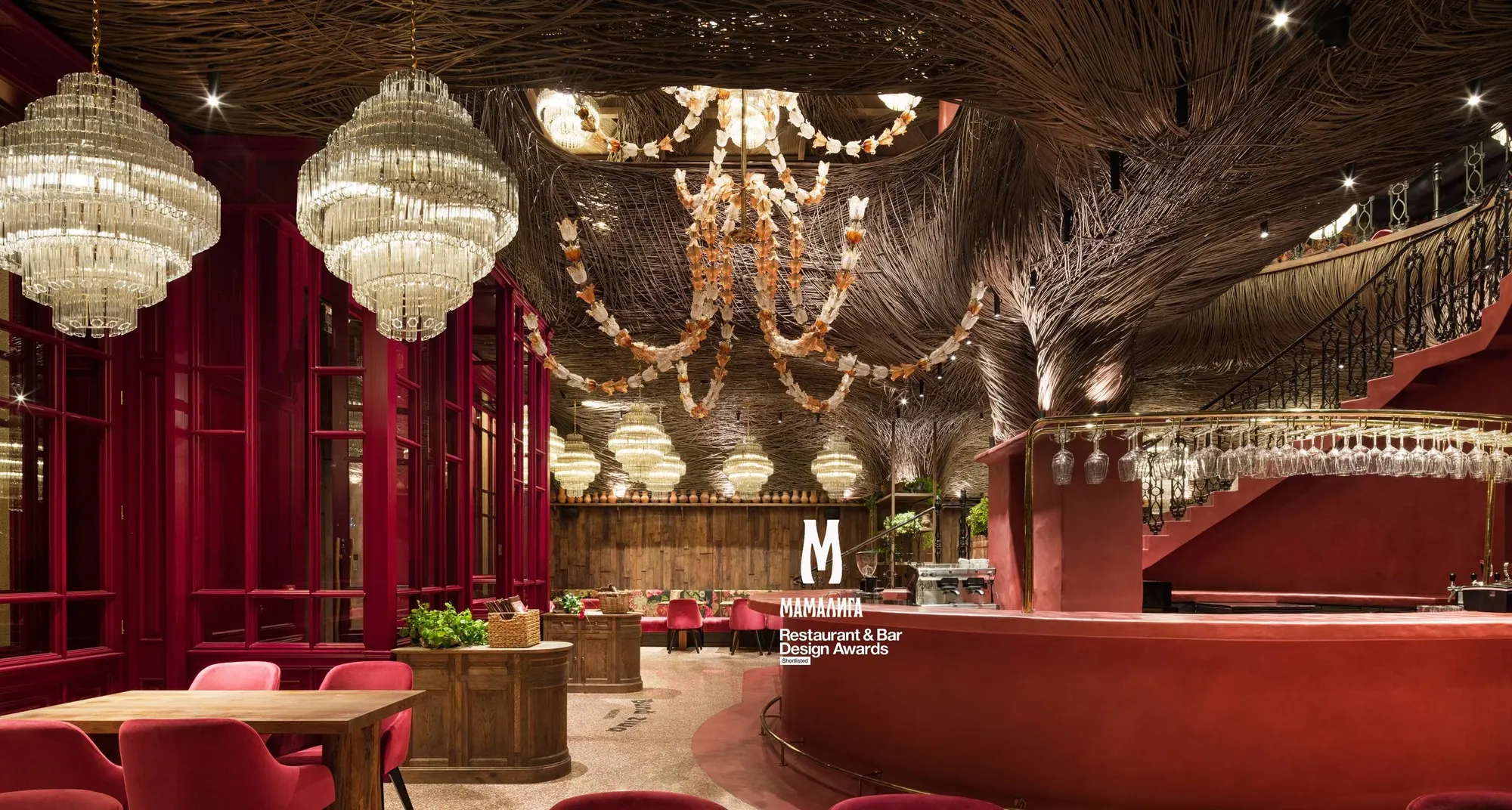
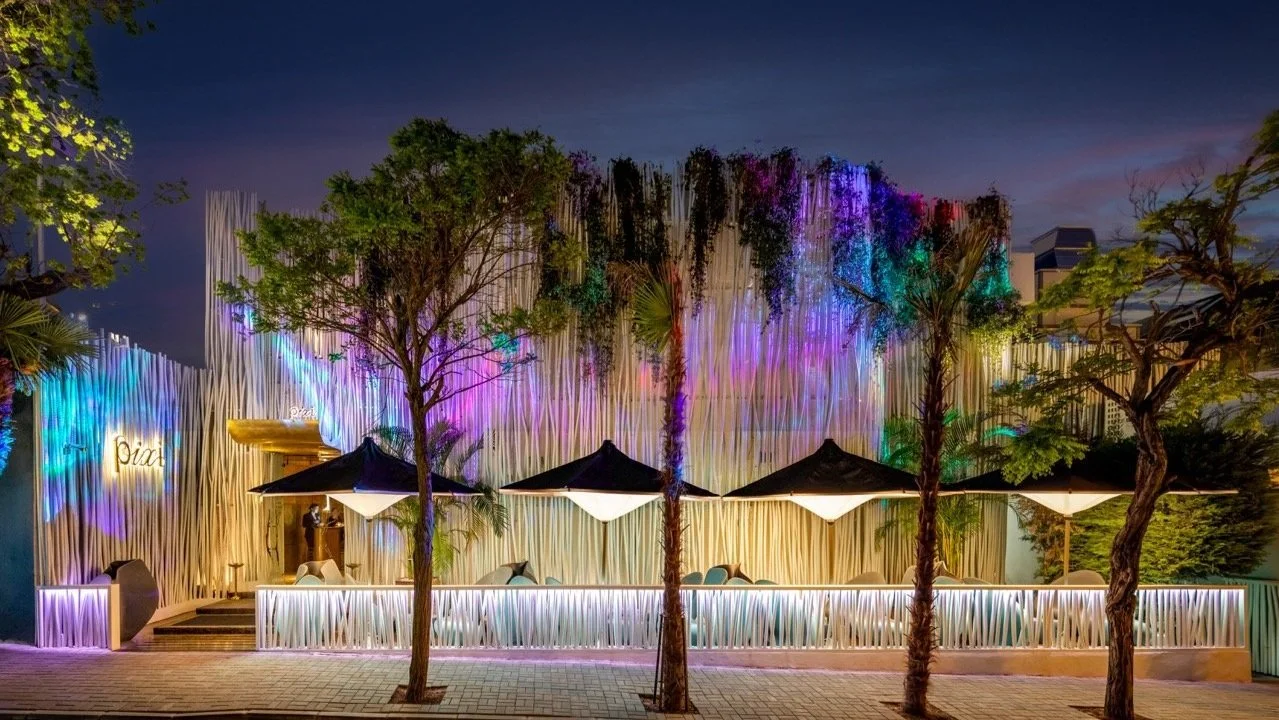
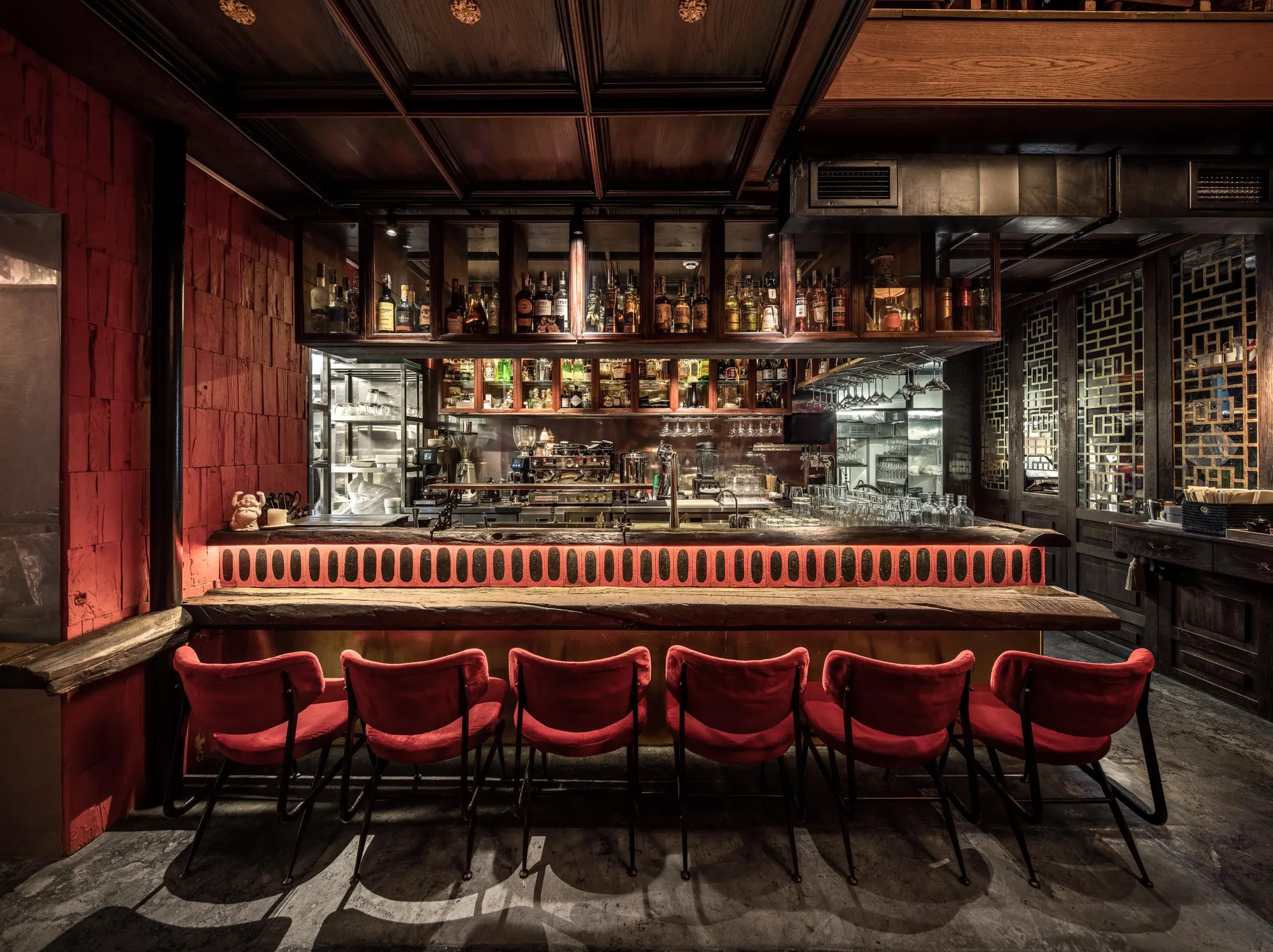
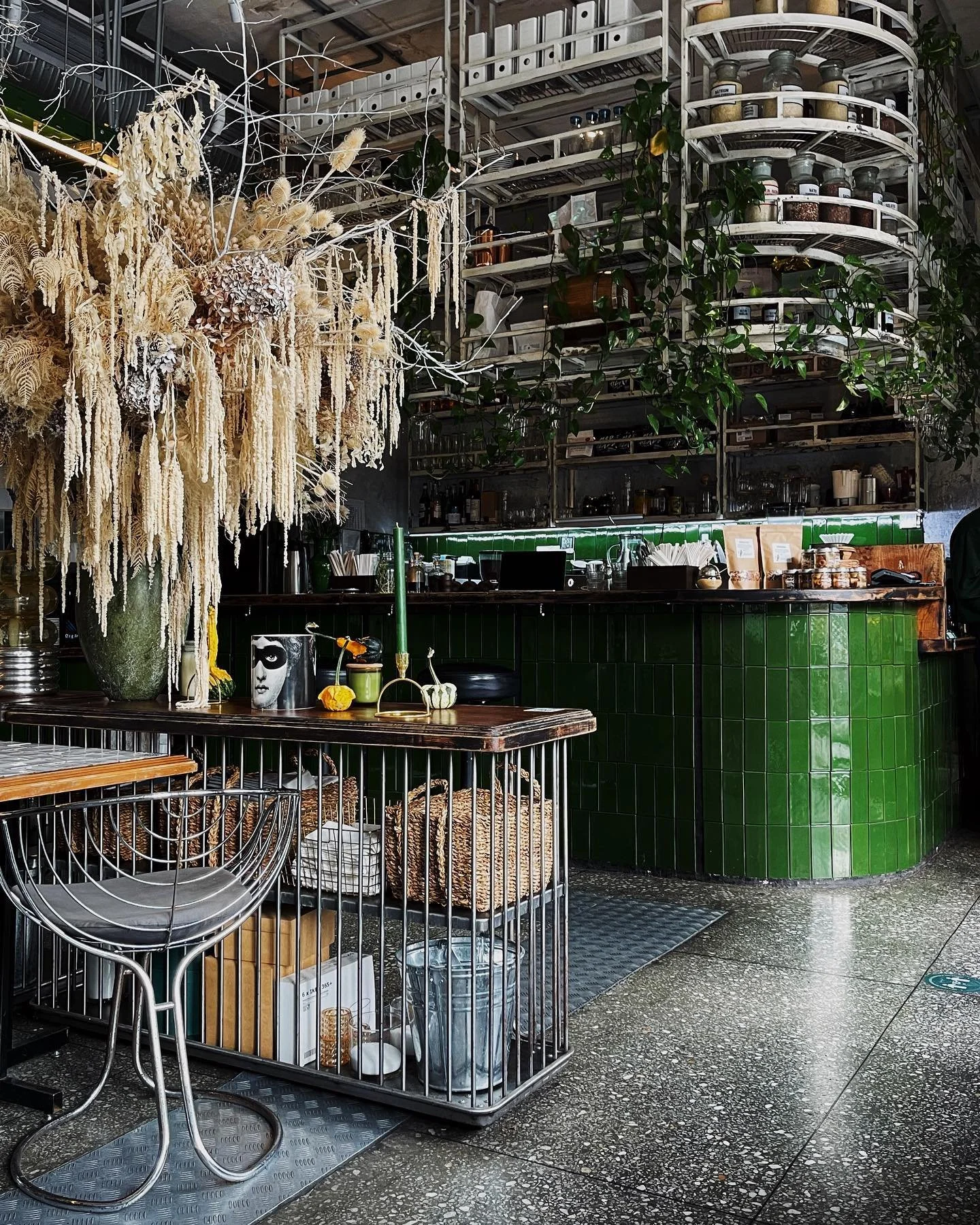
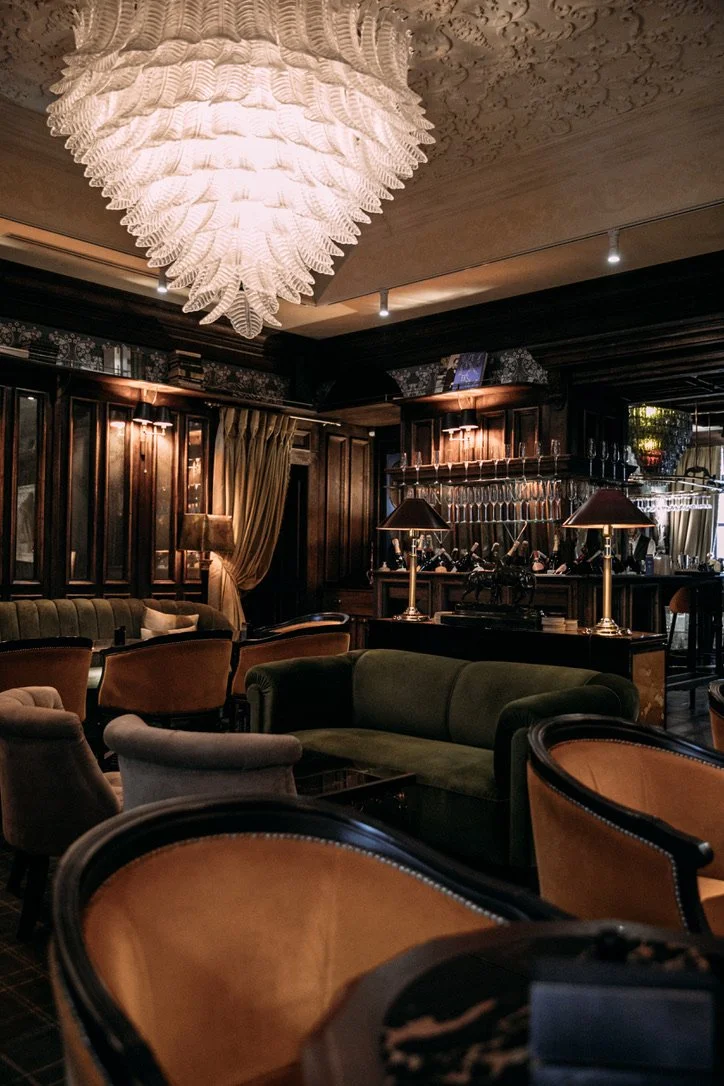
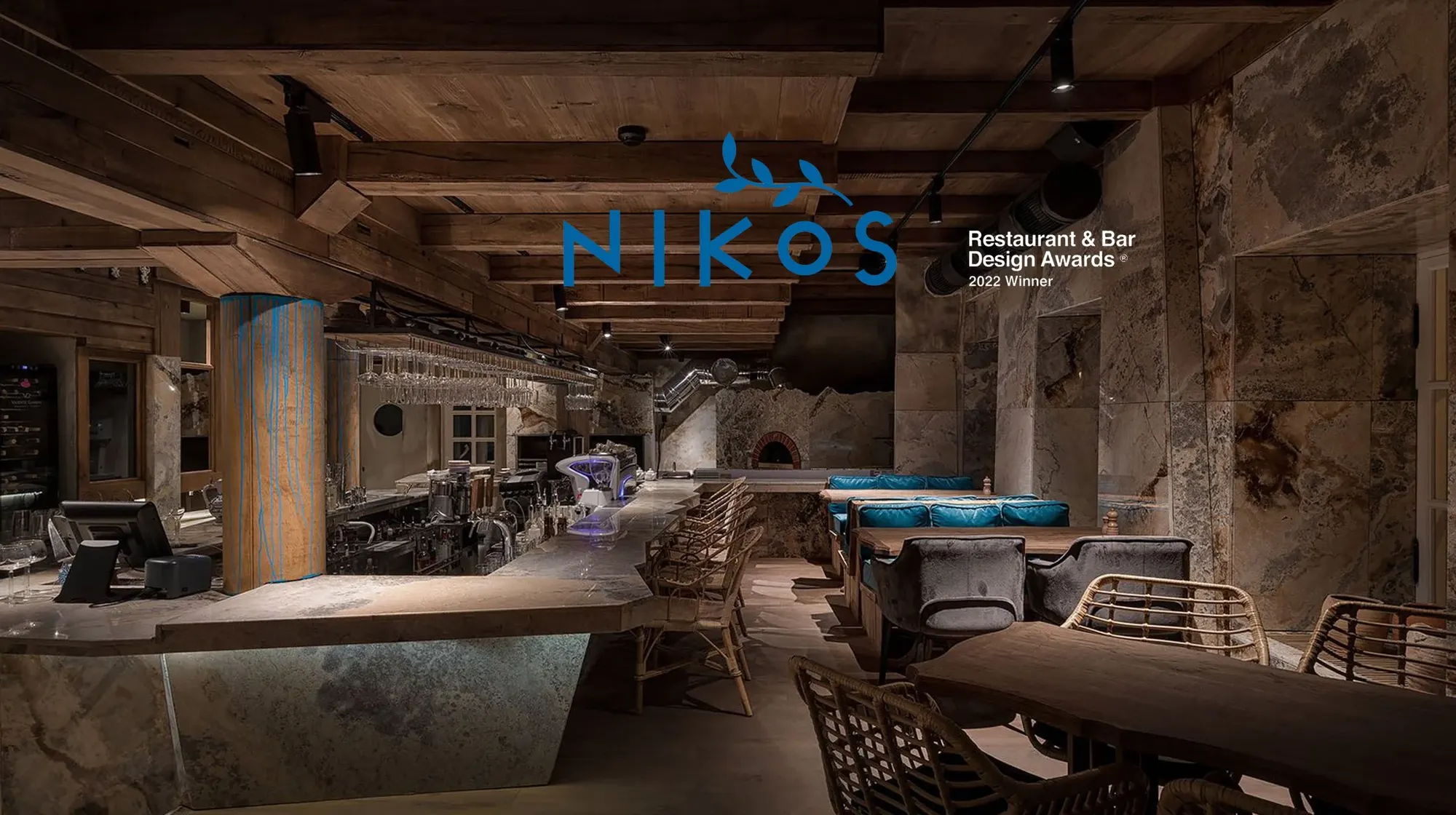
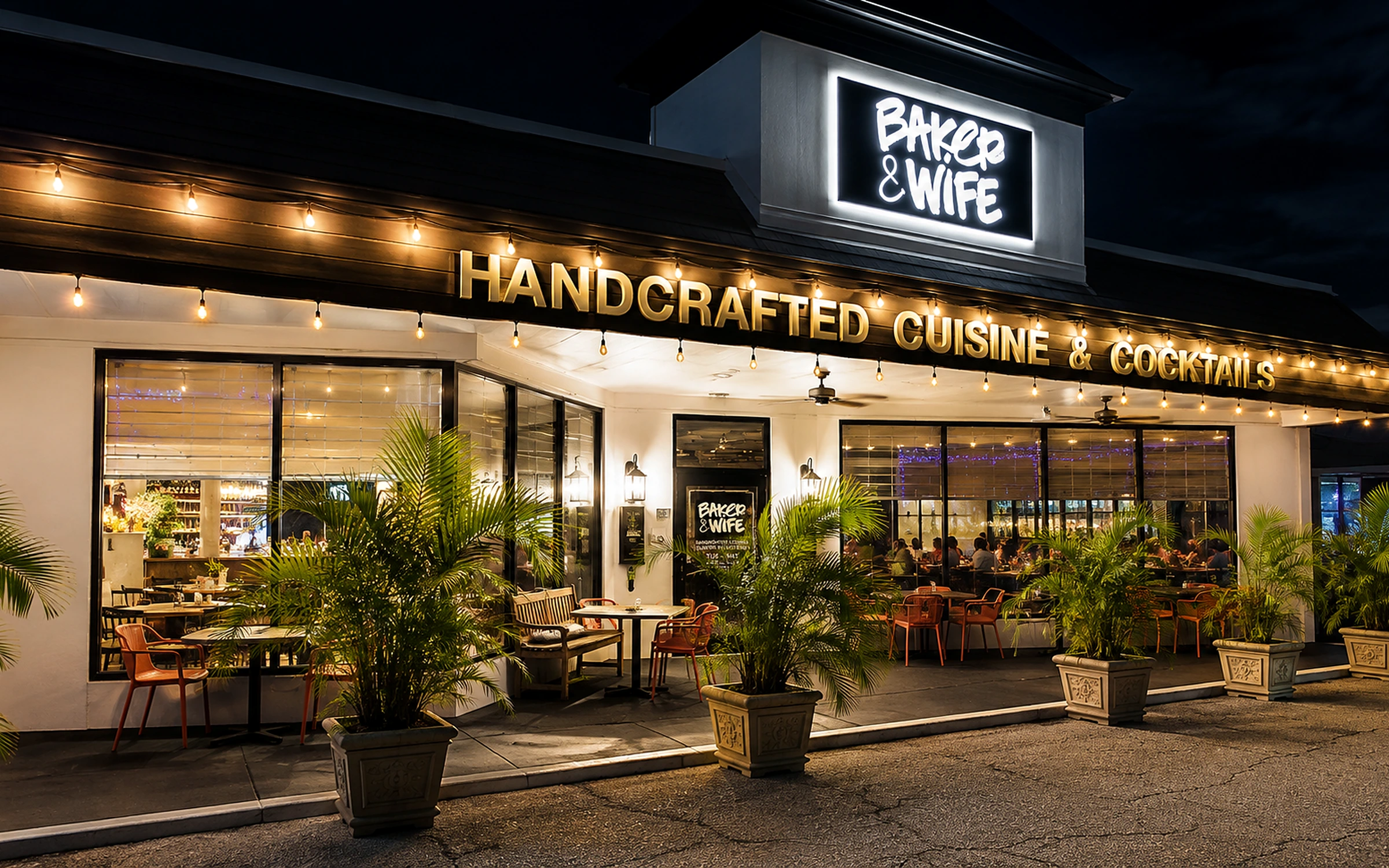
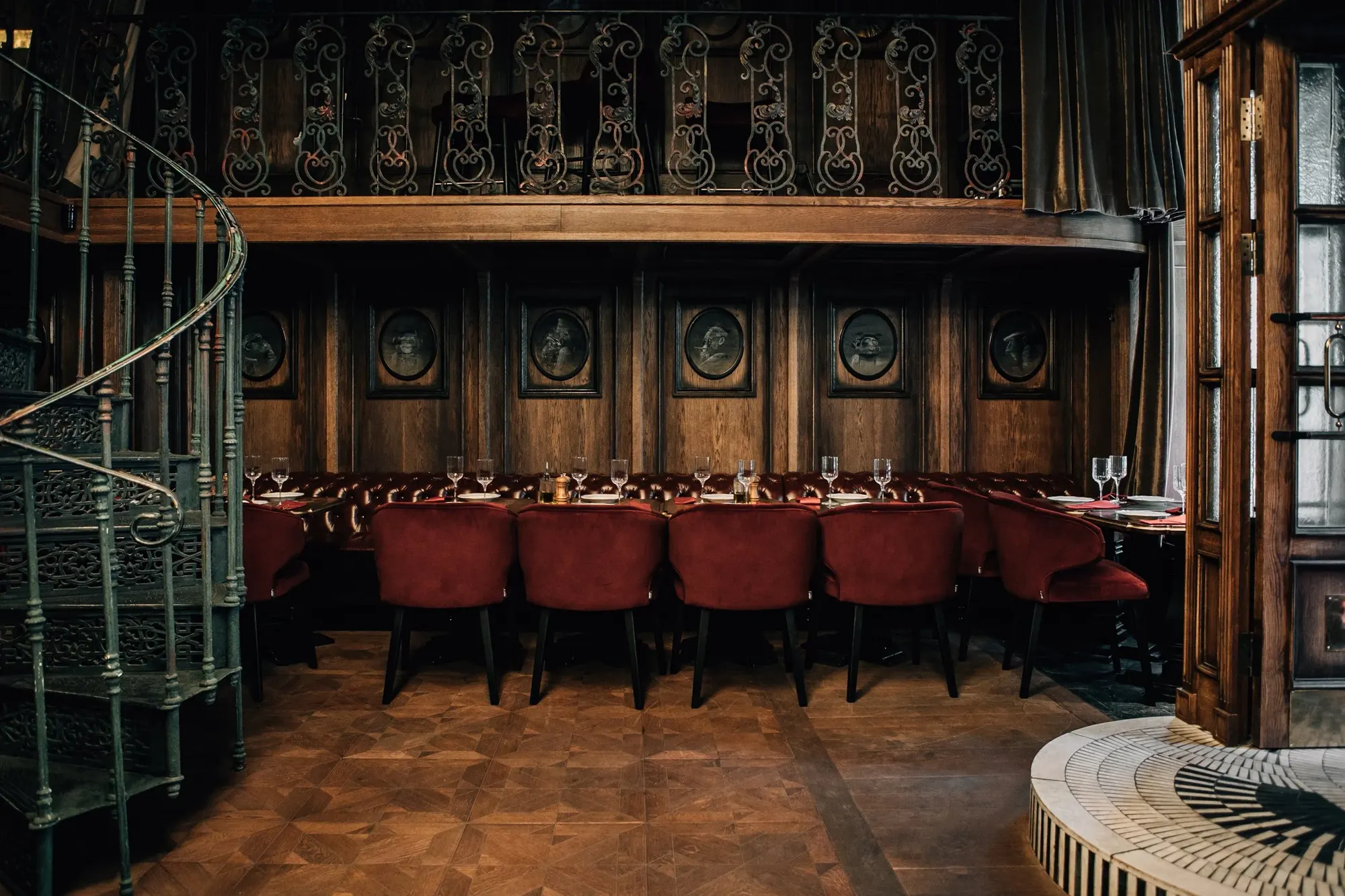
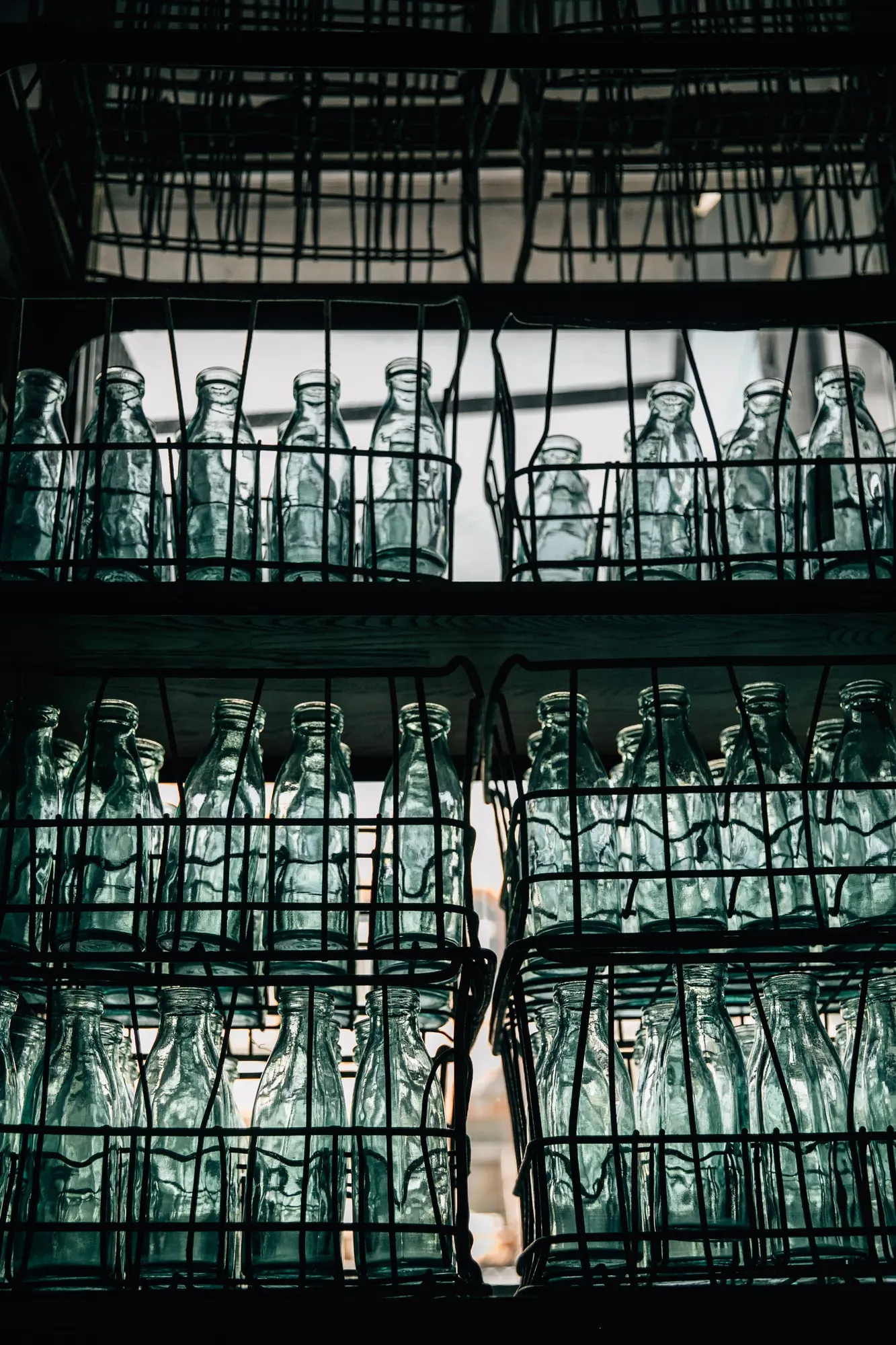
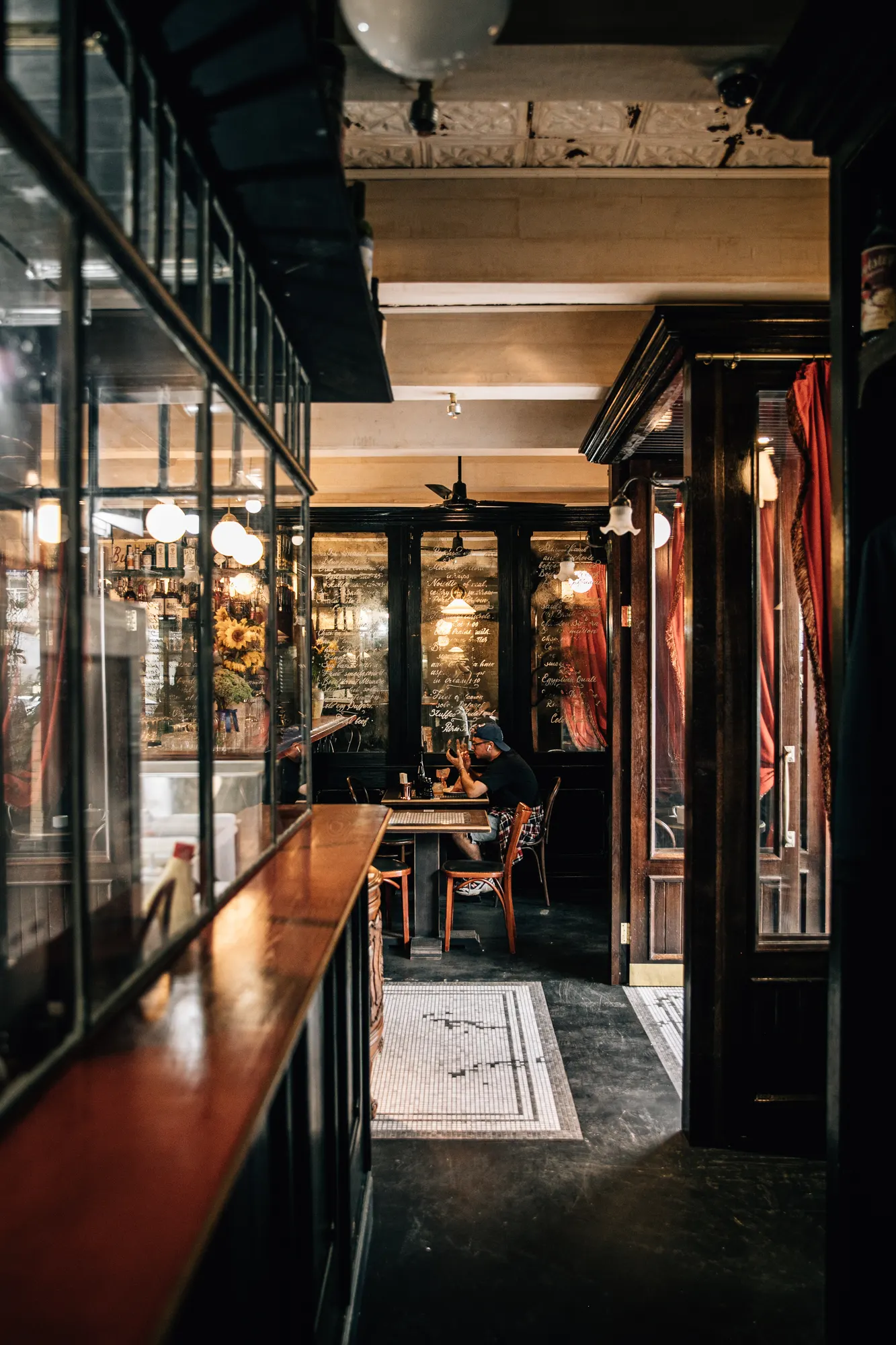
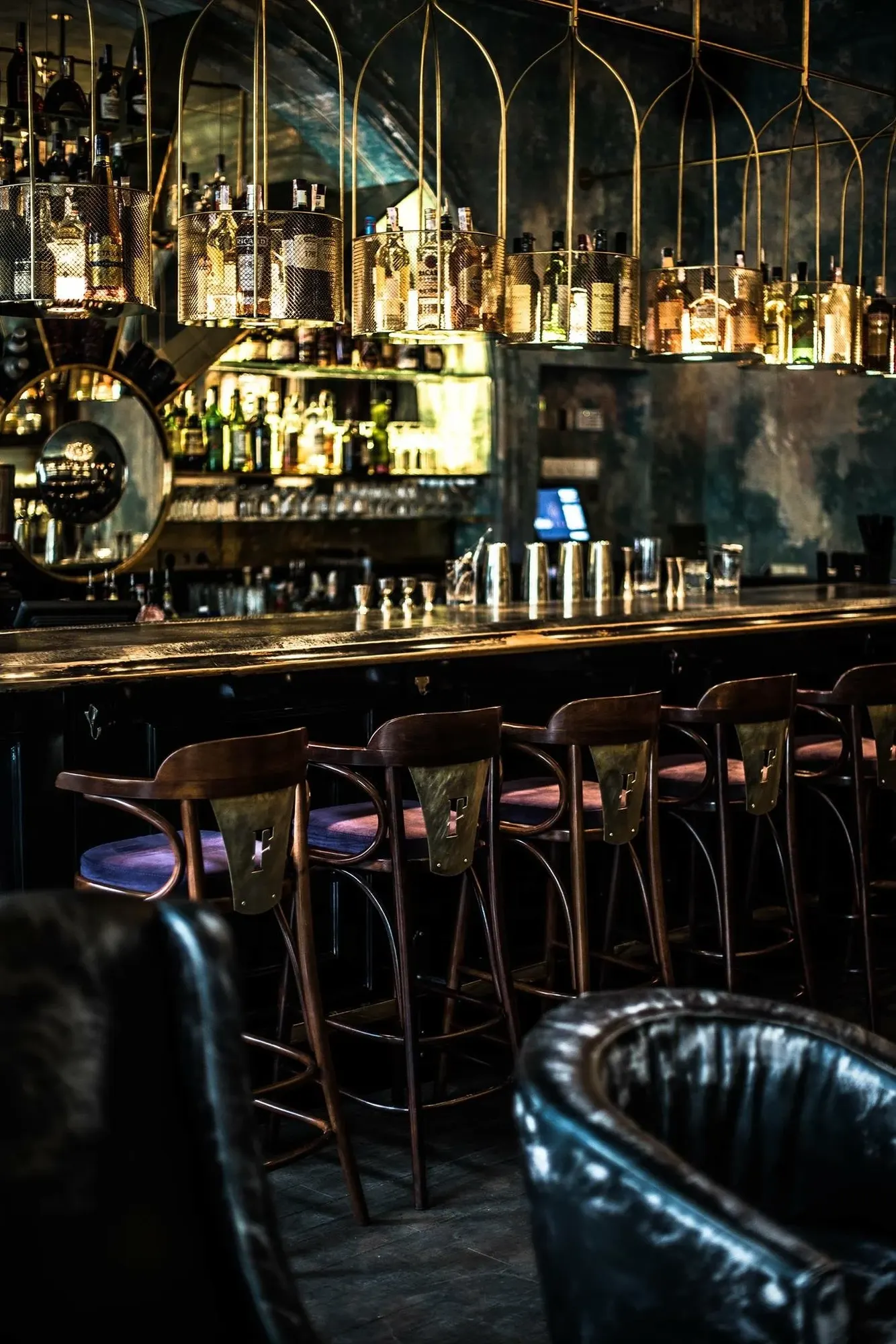
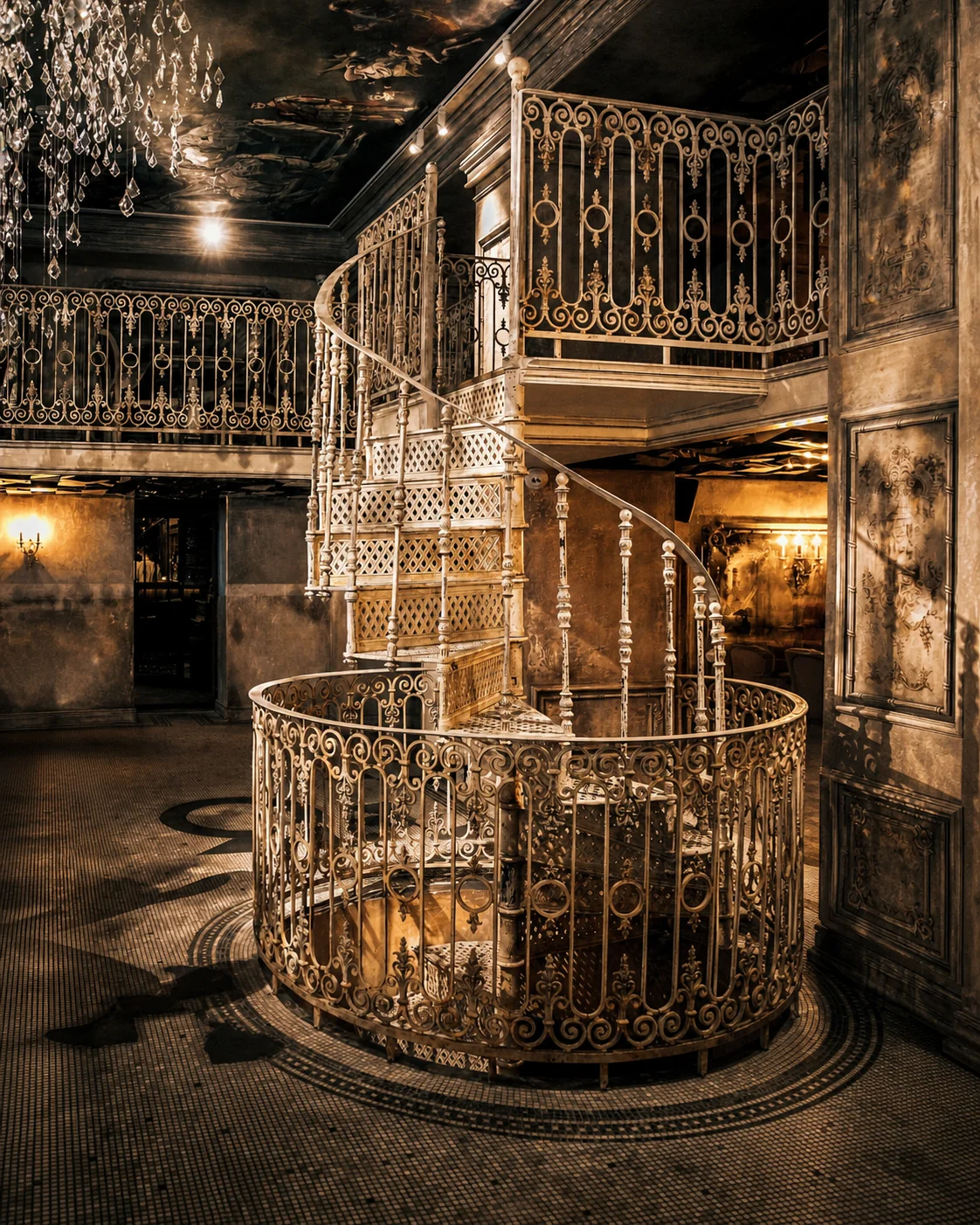
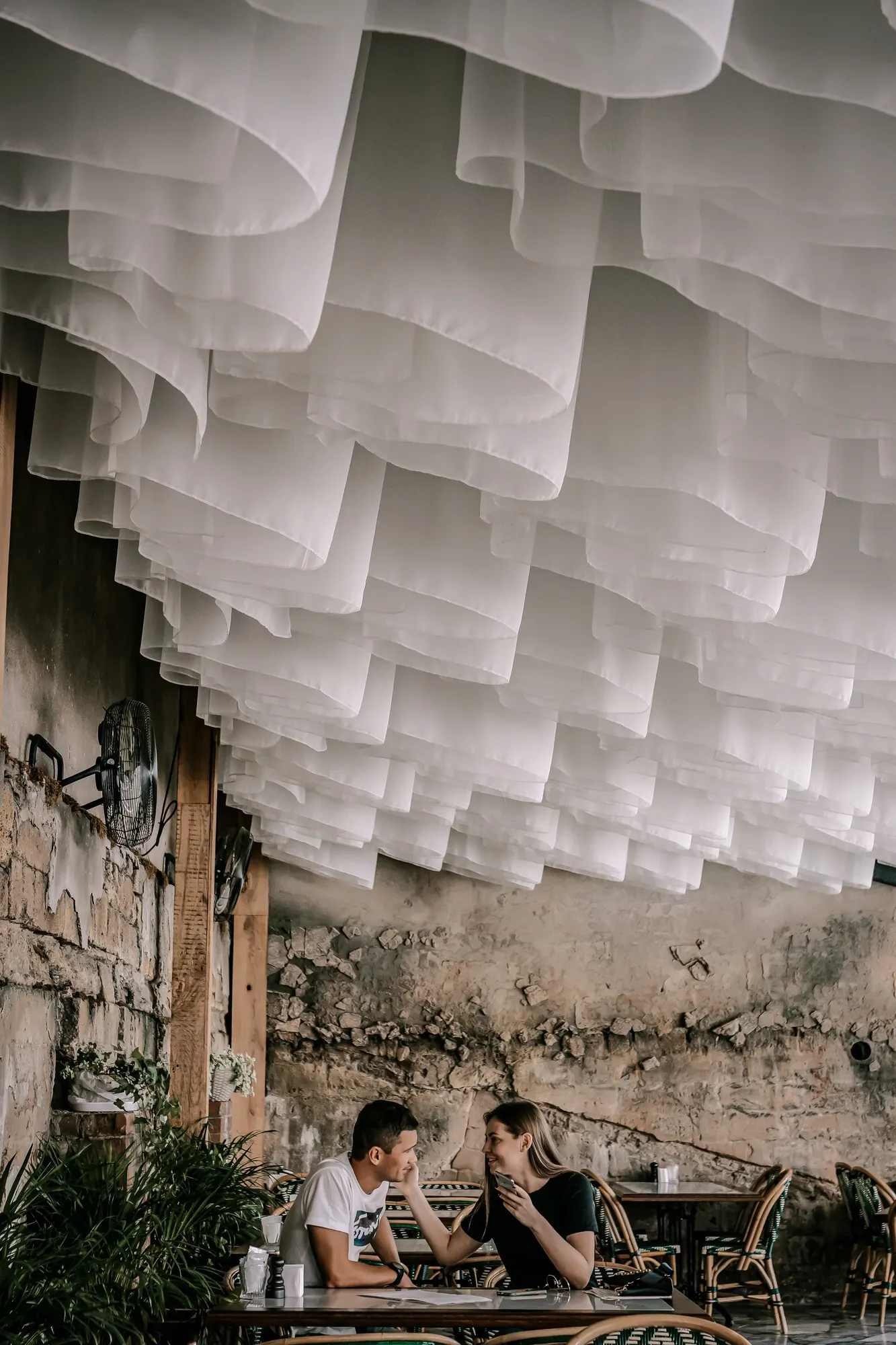
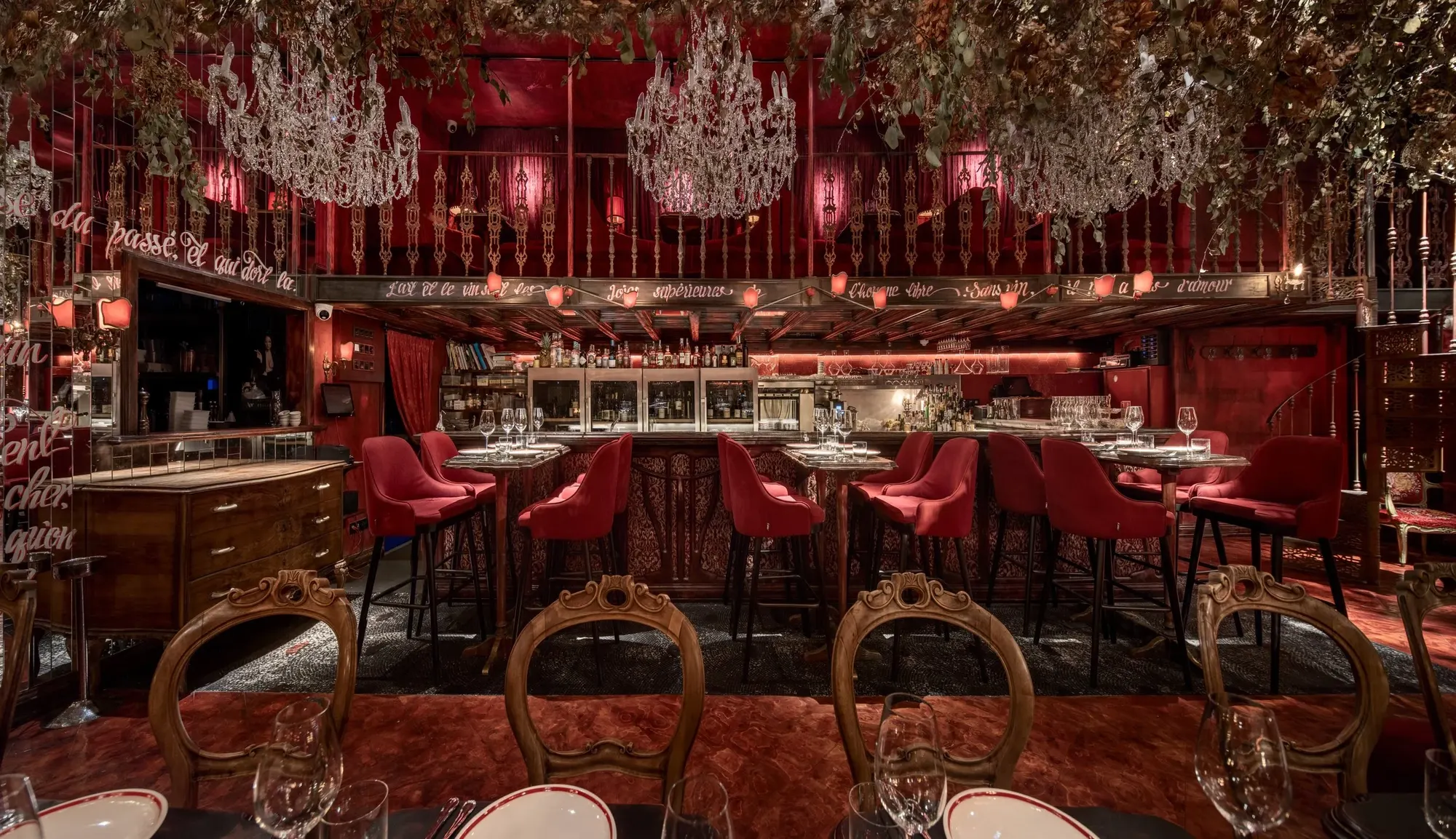
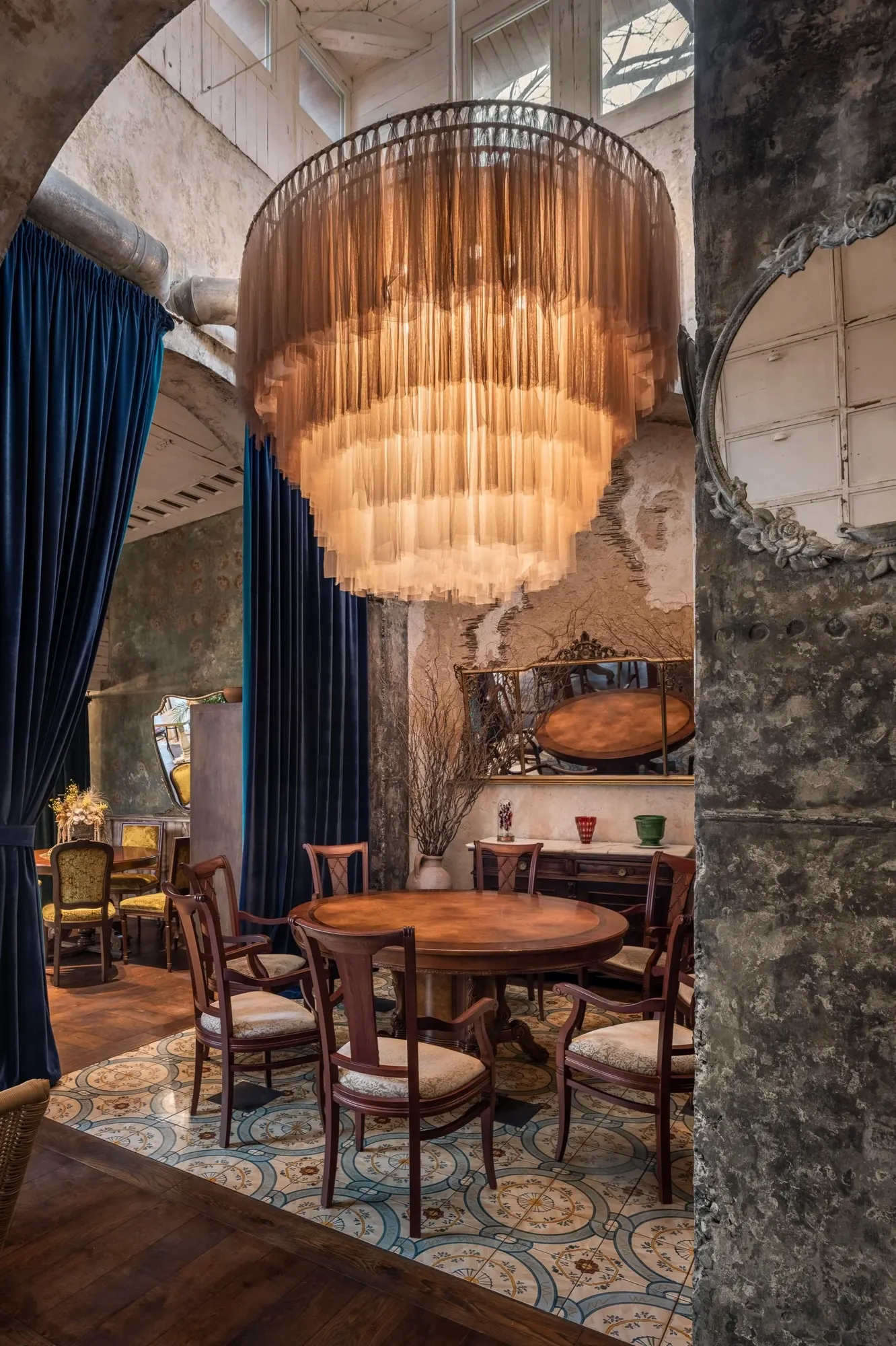
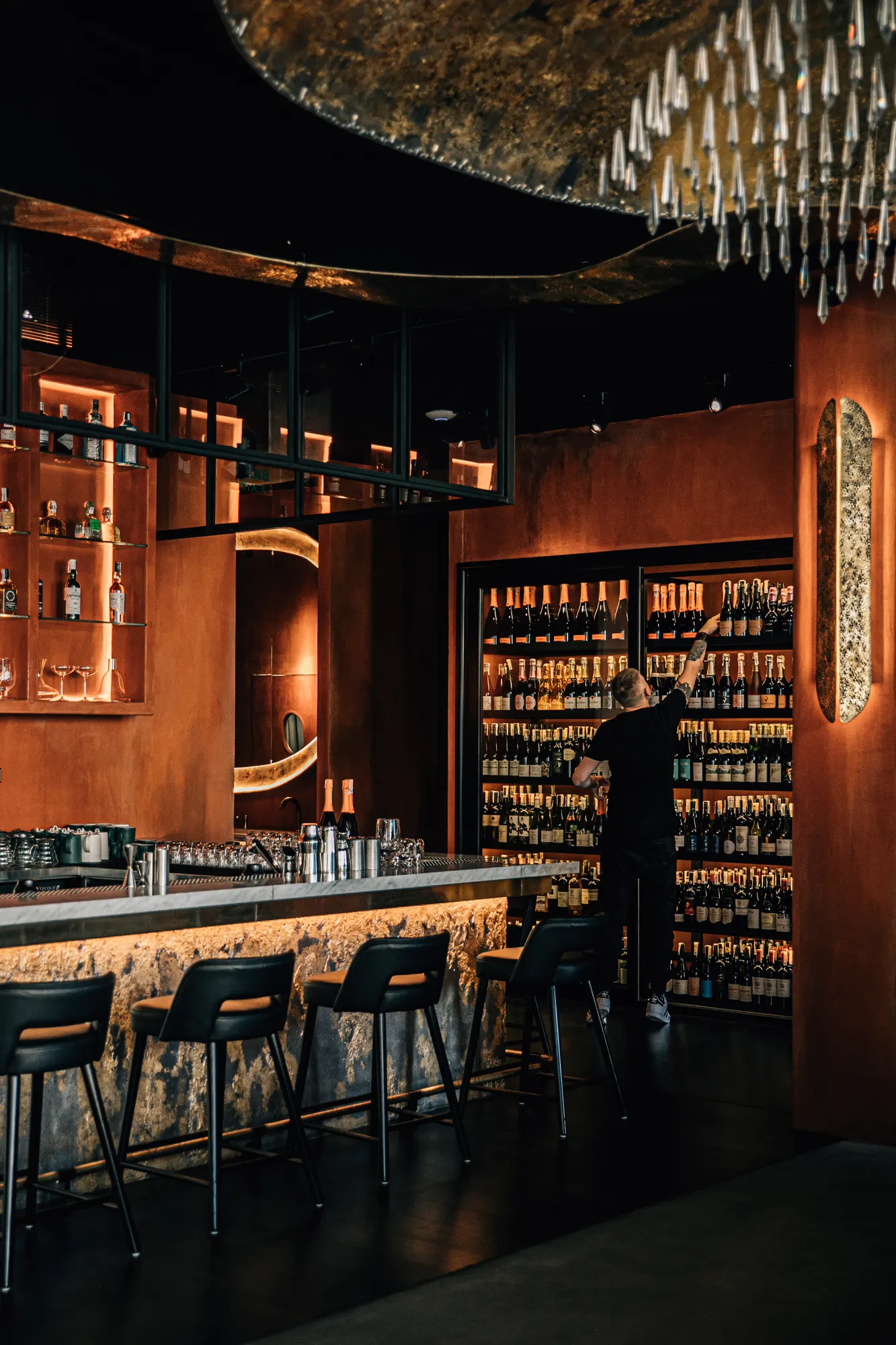
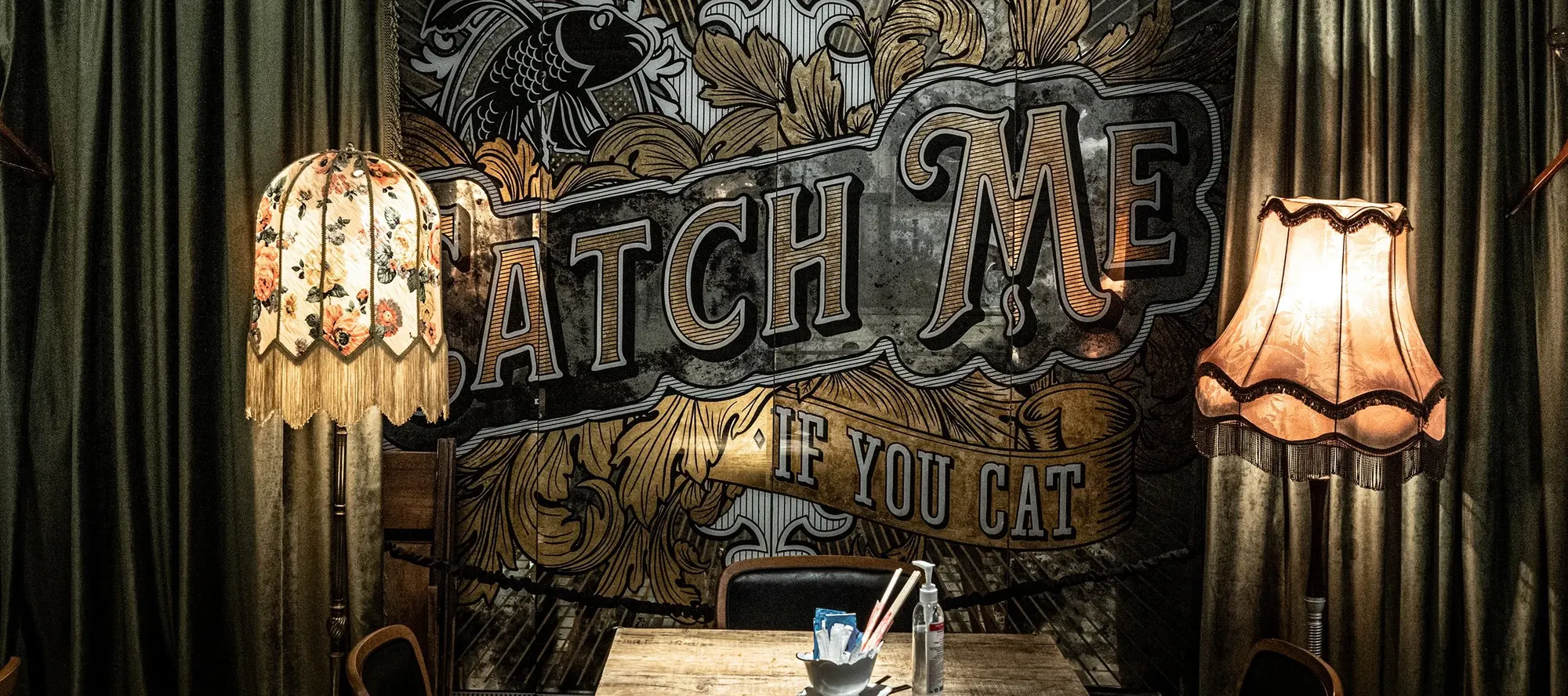
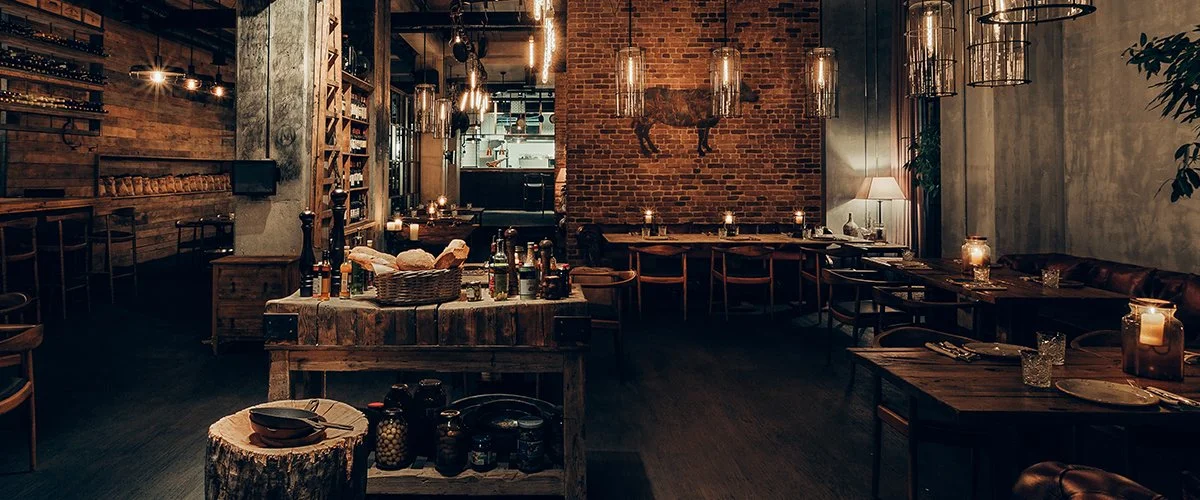
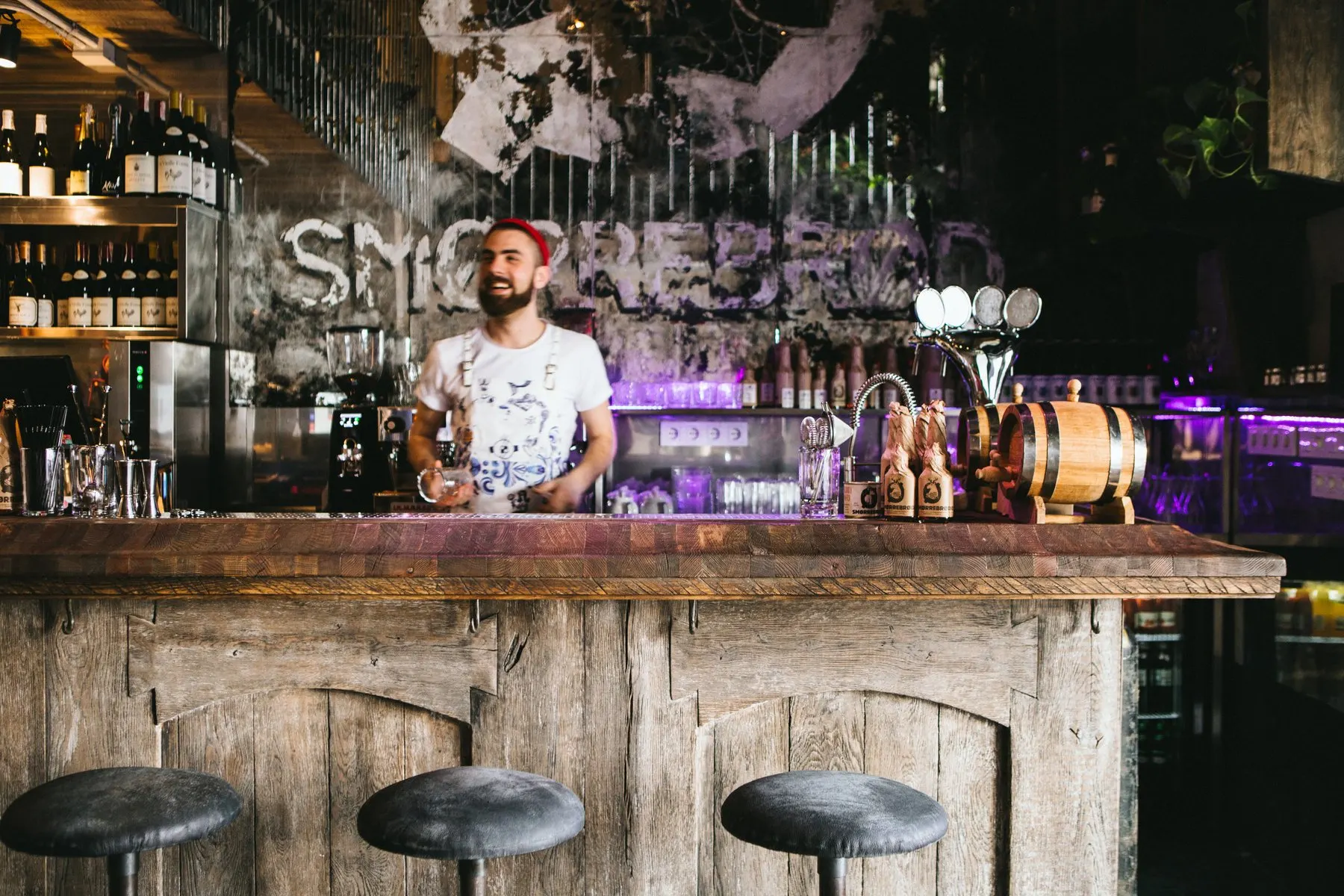
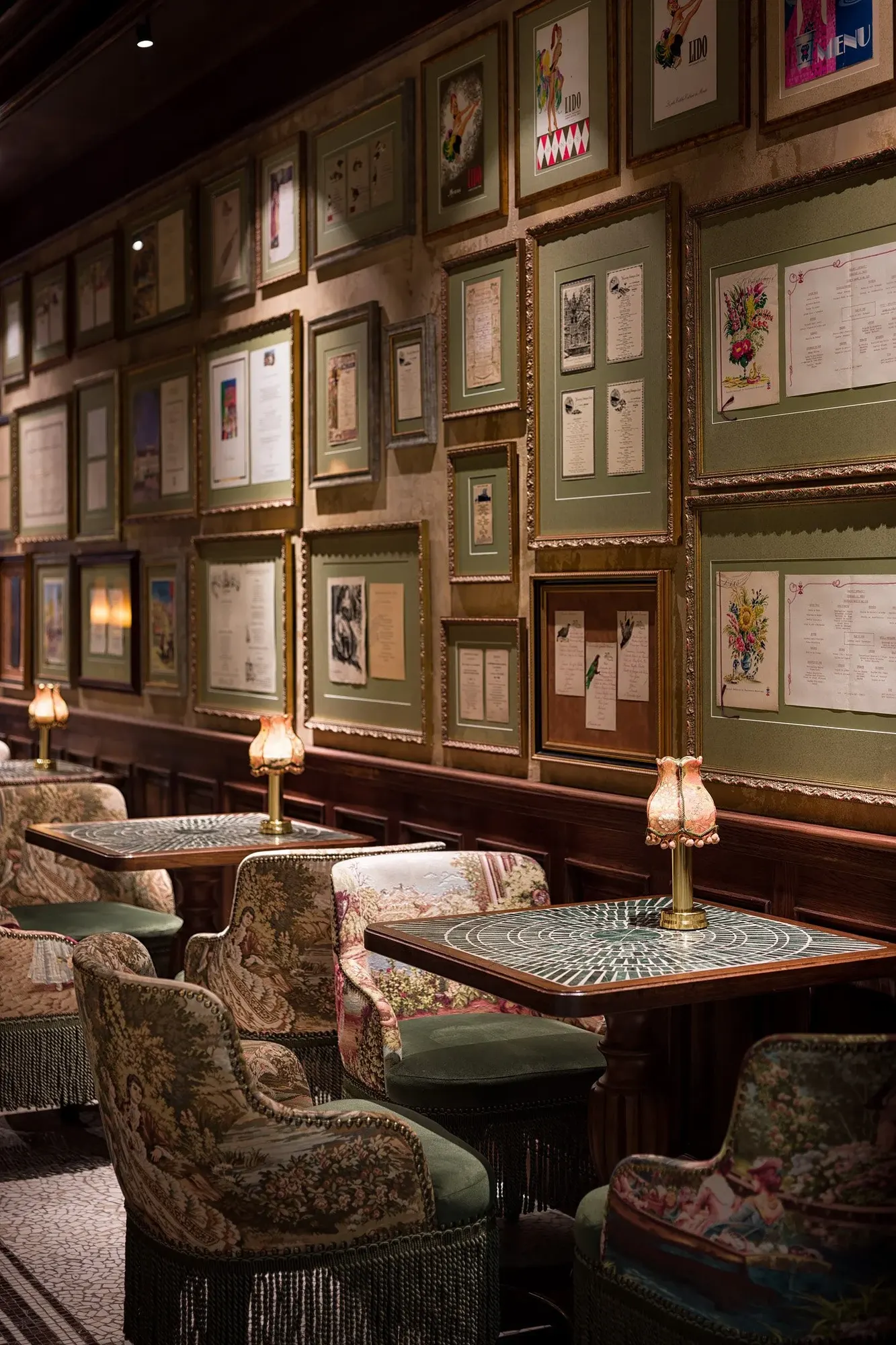
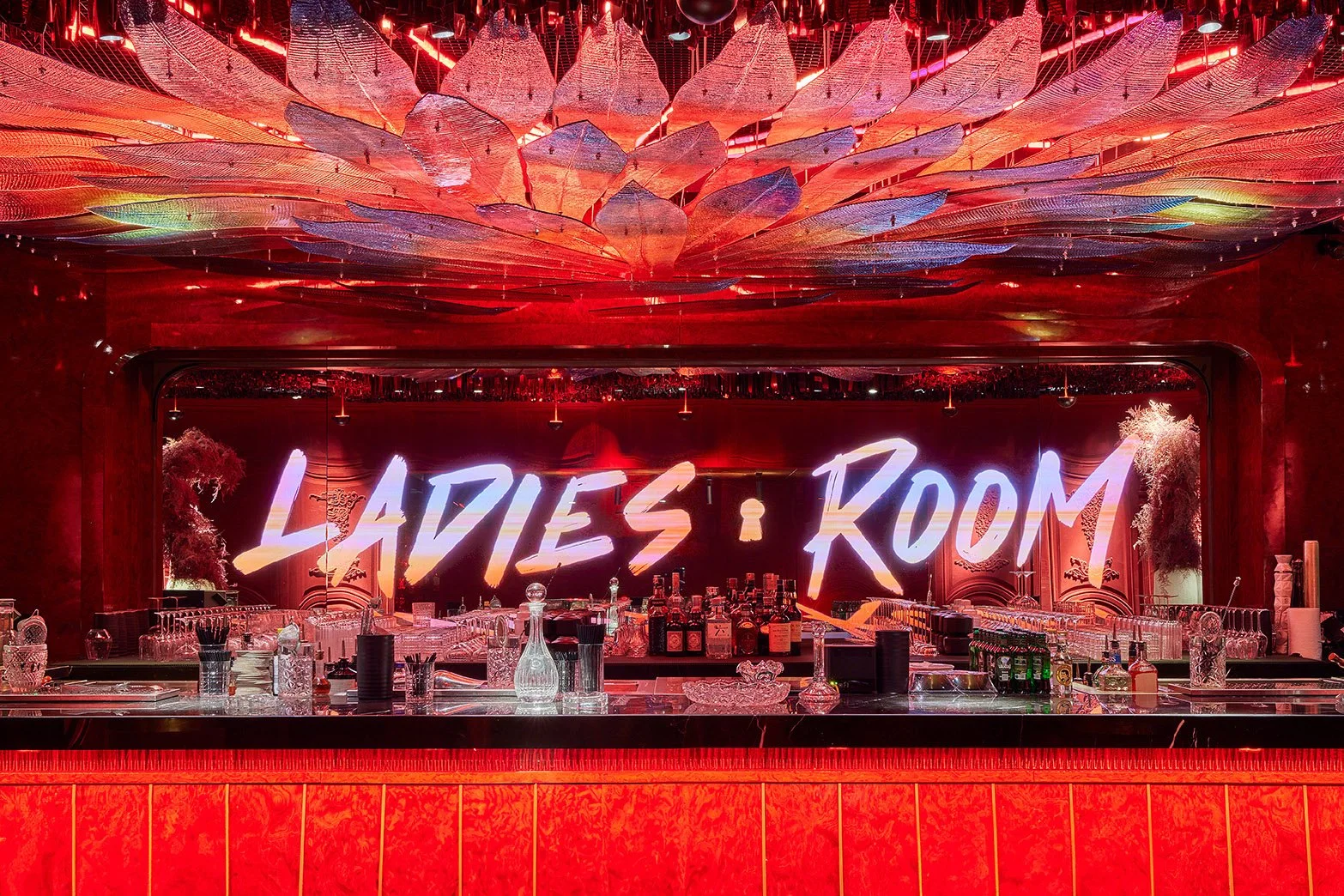
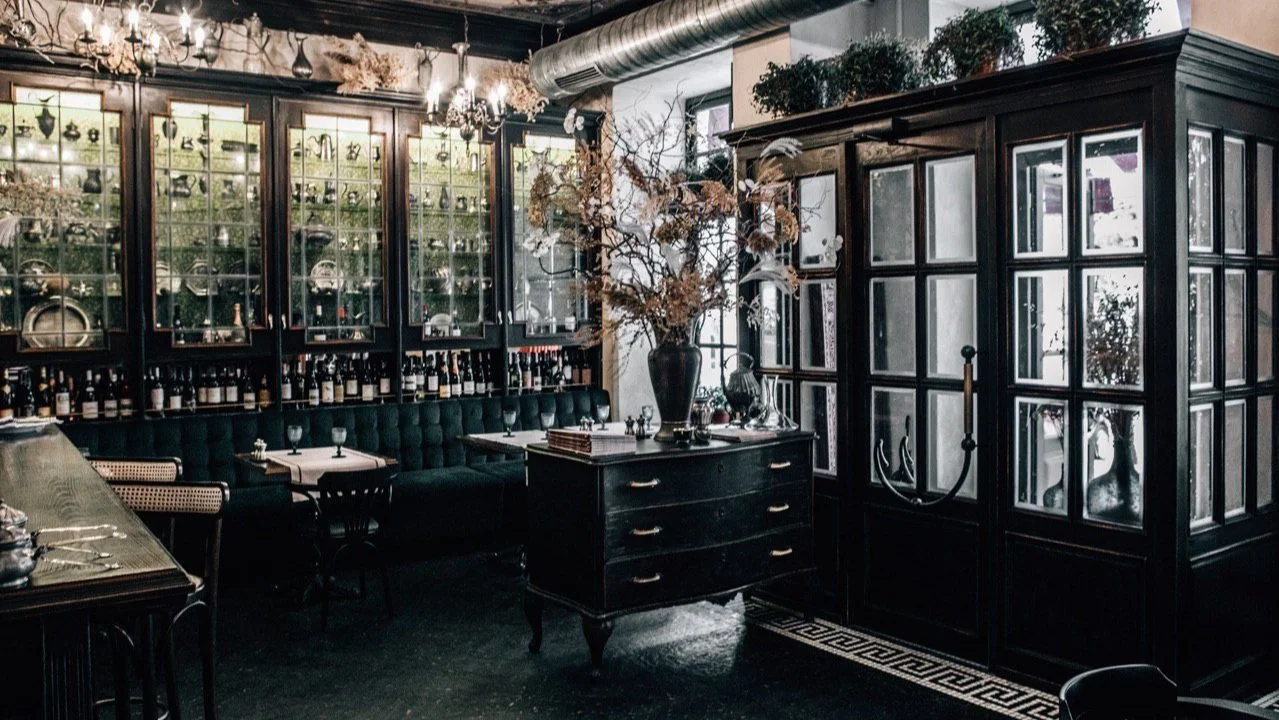
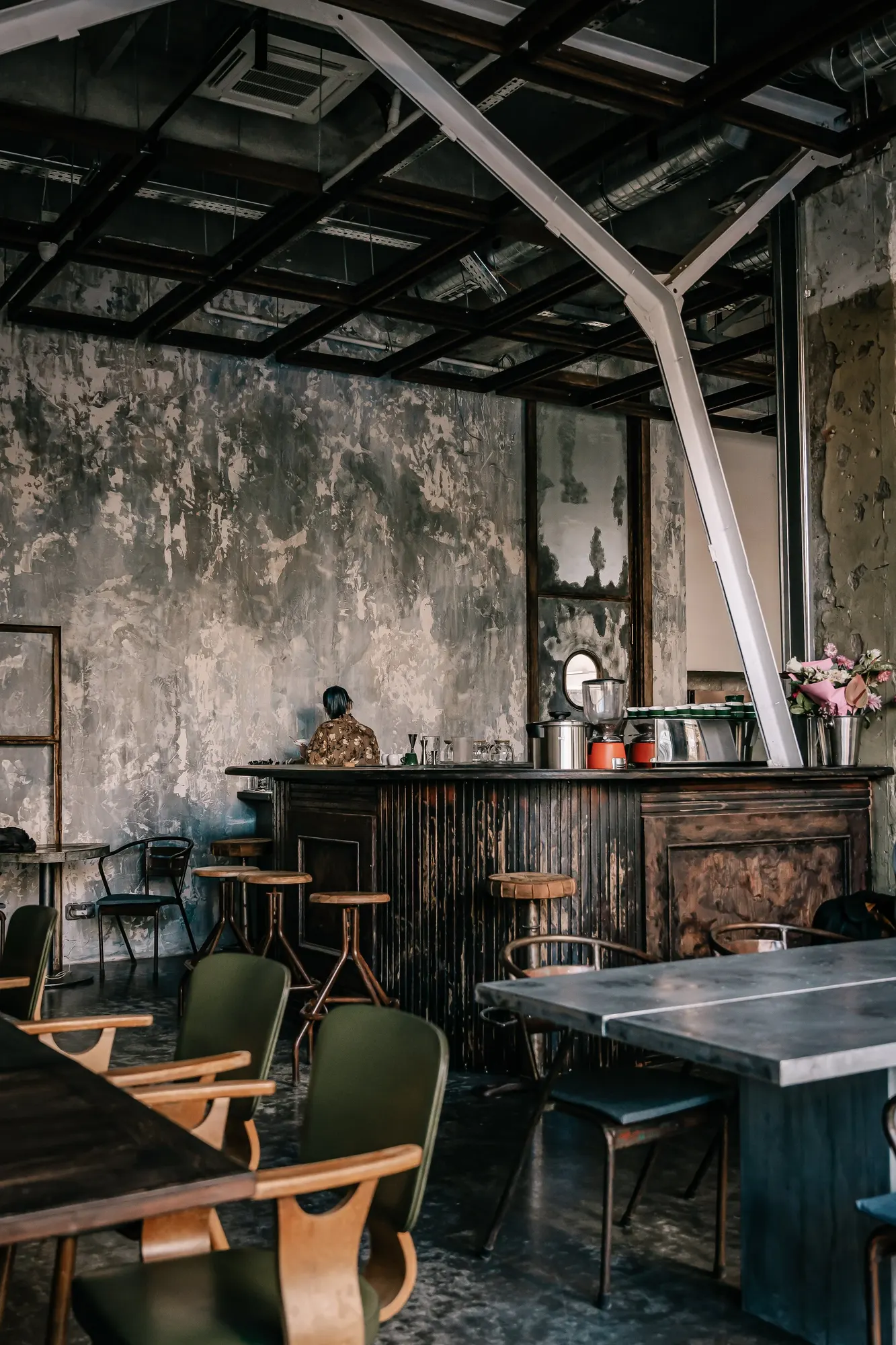
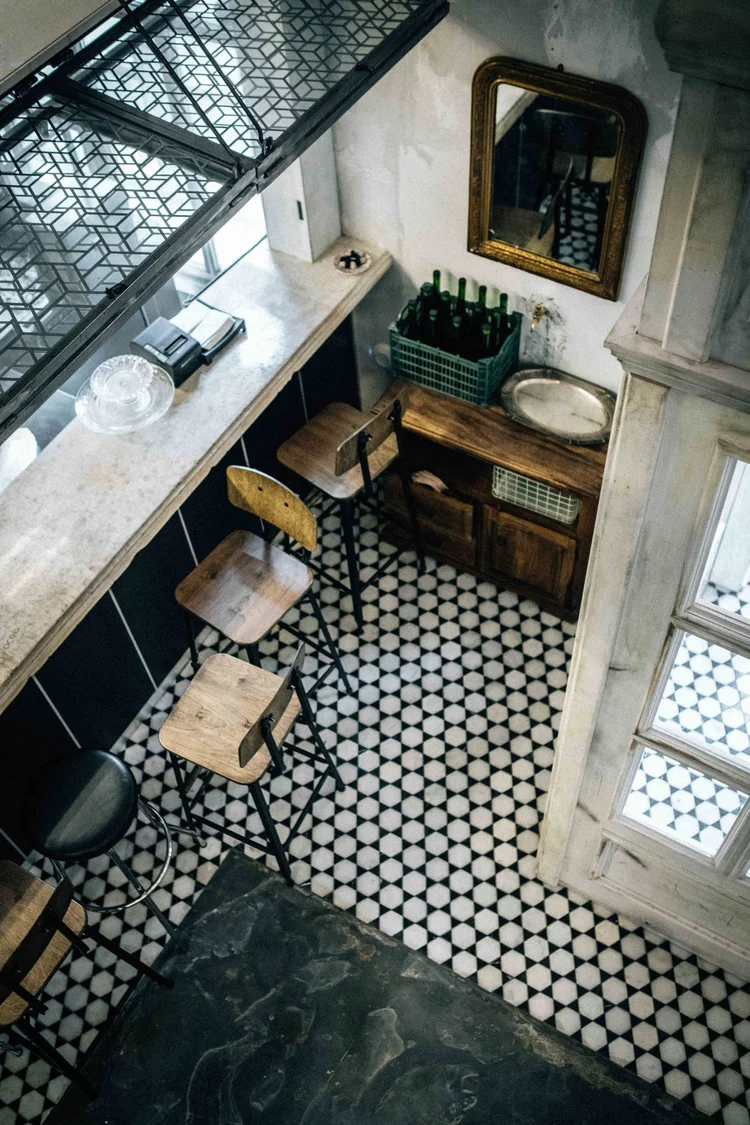
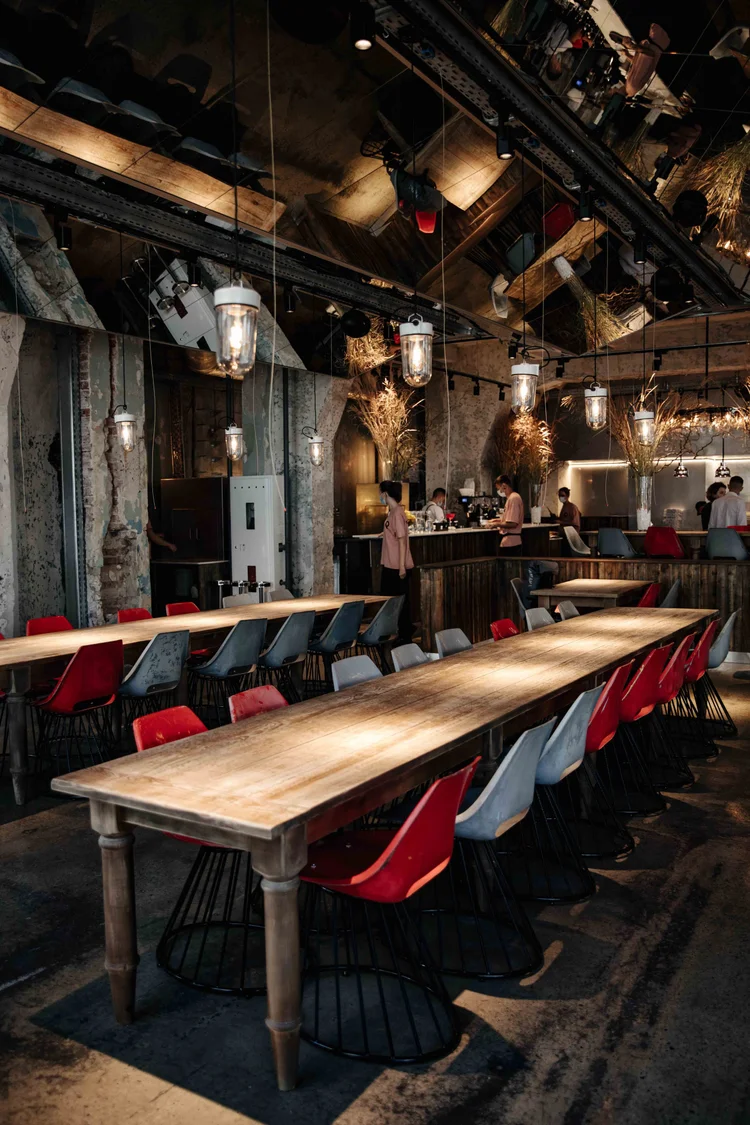
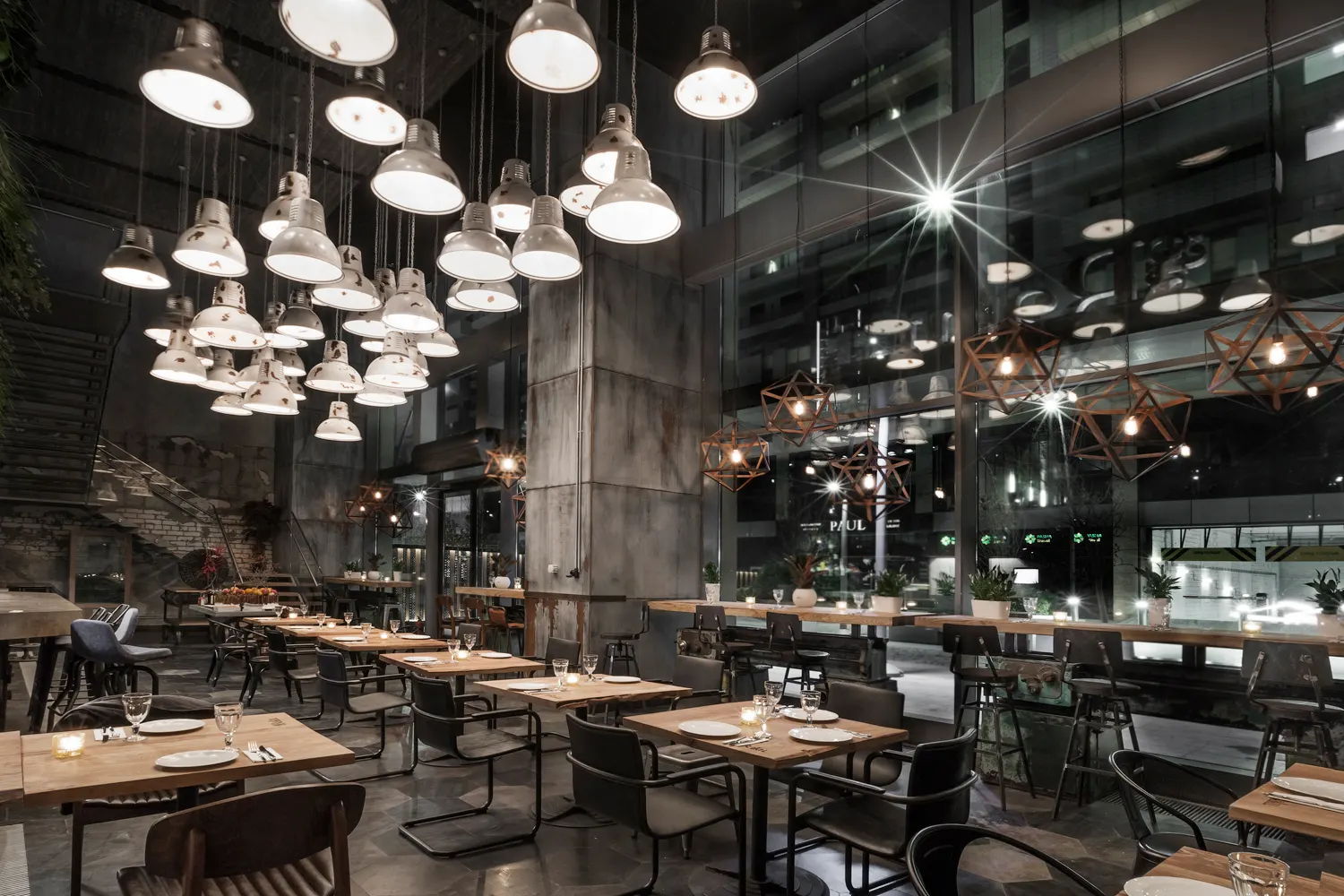
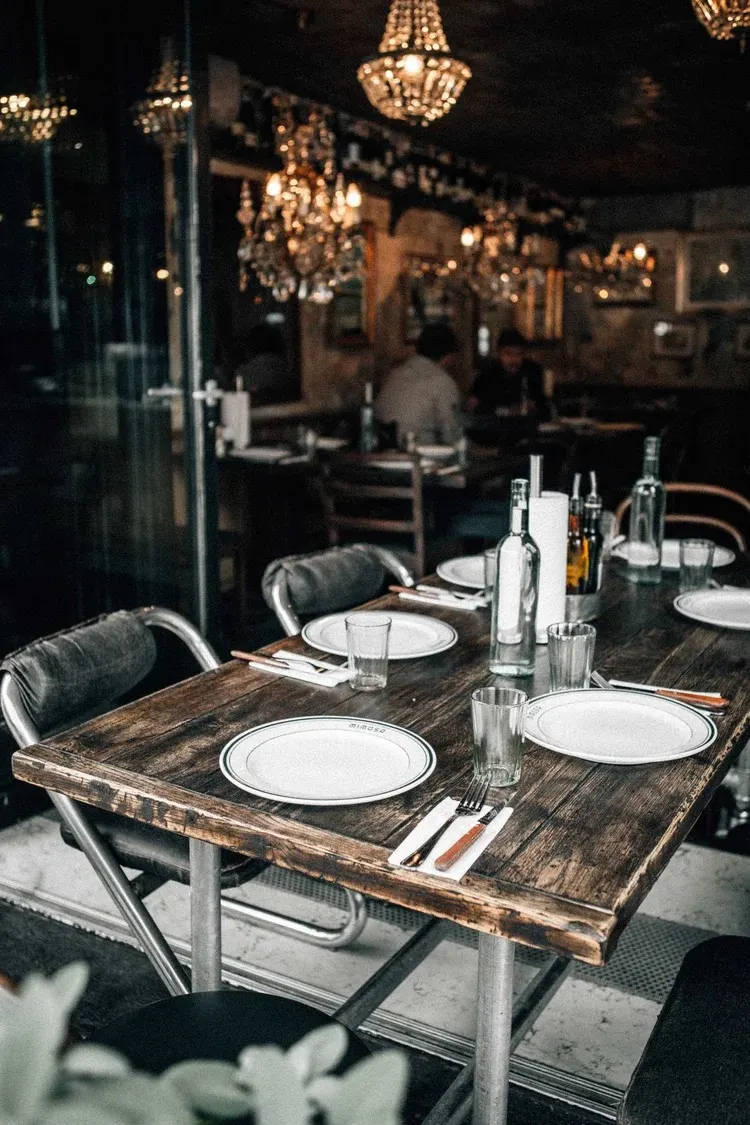
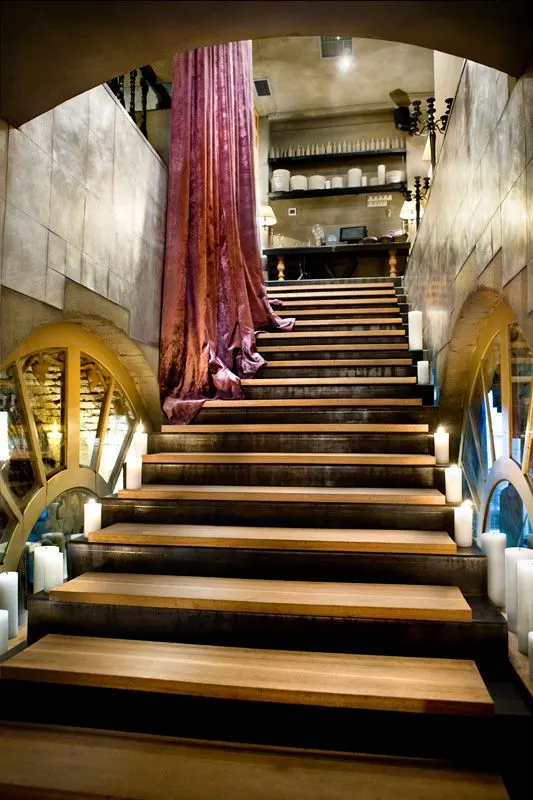
Every venue is a script. Where the guest pauses, what they see first, where the light falls, how they settle in, what they feel as they leave. Customer Experience is the service where we bring every point of contact into a single logic — from booking to aftertaste. We don't guess. We build the experience to drive return — because guests come back not for the food, but for a feeling they couldn't find anywhere else. The interior is the stage. The experience is what brings them back to it.

BELENKO
STUDIO
Barcelona-based, award-winning international hospitality studio. Through guest journey design, we create venues worldwide where interior, brand, and customer experience come together to make people fall in love — and come back


Every interior eventually goes silent. Not right away. At first it speaks — loud and confident. Guests notice. They stop. They look. Then they get used to it. Then they stop seeing it altogether. The space exists, but it might as well not. That is worse than a bad interior. That is emptiness in the presence of everything. The old fisherman knew: if the fish aren't biting, you change the depth. Not the gear, not the boat. The depth. One move — and everything shifts. We look for that depth in every space. Where it lost itself. Where light kills instead of bringing life. Where material lies and form weighs down. And when we find it — we don't rebuild everything. We make one precise move. Sometimes two. Exactly as many as needed. And the space starts speaking again.
- Ideas driven by positioning, not trends
- Every detail works to bring the guest back
- Design that stays relevant for 5–7 years
Architecture is the math of revenue per square meter. We calculate seating, flow, work zones, and risk zones. Where the line will form, where the guest will want to linger, where the bar should sit and where the lounge belongs. Every decision converts into average check and table turnover.
- Optimal seating density tuned to the format
- Choreography of guest movement from door to bill
- Operational zones: kitchen, bar, service, storage
Atmosphere isn't built. It's born — like weather. But weather can also be read. And whoever learns to read it learns to predict it. And whoever can predict it begins to direct it. A guest walks in and doesn't yet know what is happening to them. They just feel — this place is good. Or not this one. Or something's off, but I can't say what. It's not chance and it's not magic. It's work. Quiet, invisible, precise. Light falls at the right angle. Not because it's pretty. Because that's how a person's shoulders relax. Sound is dampened where it would press on the temples. Scent is barely noticeable, but distinctly its own. Space narrows at the right moment and opens up when it should. All of this is done by hand. Calculated with the head. Felt with the heart. The old fisherman knew the sea by heart. Every current, every wind, every mood of the water. He didn't fight the sea. He spoke with it. We speak with a space the same way. We ask what it wants to say. And help it say it precisely. Because a good interior doesn't shout. It speaks softly. And the guest hears — even if they weren't listening.
- Light scenarios for morning / day / evening / night
- Music program and acoustic engineering
- Signature scent as part of the brand
A venue's branding is an asset. Not decoration, not a footnote to the interior. An asset that keeps working after the guest closes the door behind them. A matchbox on the bar. A label on the house-made lemonade. A menu you don't want to put back down. A bag you're not embarrassed to walk out into the street with. Each of these is a touchpoint. And every touchpoint either reinforces the venue's image or dilutes it. There is no middle ground. The old bartender in Havana knew: the guest doesn't remember the cocktail. They remember the glass, the light over the bar, and how the napkin under the glass looked. Details decide. They always have. We design those details systemically. Branded merch, packaging, labels, print, menus — everything is built into a single language that the guest reads not with their head, but with their memory. They don't remember exactly what hooked them. But they come back. Because a brand isn't what you say about yourself. It's what the guest carries with them. Sometimes in their pocket. Sometimes in their head. Sometimes both.
- Naming with legal and phonetic clearance
- Logo system: primary, secondary, monogram
- All touchpoints: menu, bar counter, uniform, digital
A server on the floor is seen by the guest more often than any detail of the interior. The uniform isn't catalog-issue — it's part of the venue's visual language. The behavior model — scripts, tone, dress code, rituals — is what separates "service" from "hospitality."
- Uniform design tuned to concept and climate
- Scripts and service standards
- Supplier selection and quality control
Every project we work on gets meaning — not just visual. We think about how the venue speaks to the guest: through space, through food, through detail. Tableware is one of those details. But a meaningful one. We help select or develop from scratch: plates, cups, flatware, cutlery. We work with ceramic, glass, metal, and wood. We can adapt off-the-shelf or invent something custom — to match the character of the specific place. In our orbit are major manufacturers, renowned brands, and small craft studios. That gives a choice: from a production-line solution at the right quality, to a one-of-a-kind piece you won't find anywhere else. When tableware is thought through — it shows. The guest doesn't always articulate why, but they remember.
- Selection or custom design from scratch
- Ceramic, glass, metal, wood
- Matched to the character of the specific place
A menu is an engineering decision, not a list of dishes. Composition, price, description, placement, photos, print. Every element works toward one of two outcomes: a higher average check or faster turnover. We align with the chef, food cost, and operating model.
- Menu engineering: a "margin × popularity" matrix
- Structure and architecture of the menu
- Design of the menu and its carriers (paper, digital, QR)
An opening isn't "guests showed up on the first night" — it's a full PR campaign. Pre-opening for bloggers and partners, a media launch, an event calendar for the first 90 days. Themed dinners, tastings, guest-chef visits — together they create the rhythm that attendance latches onto.
- Pre-opening for bloggers and insiders
- Media-launch scenario
- Event calendar for the first 3 months
Today, the reservation begins with a scroll. Visual presentation on social media, on-brand food photography, reels, influencer marketing, paid ads. All of it is built from a single visual language so the guest recognizes the venue before they ever cross the threshold.
- Visual language and content guidelines
- Food photography and video
- Influencer strategy and paid media
Not every project is "turnkey." Sometimes you need a second opinion on someone else's concept, an audit of a venue that's slipping, or a location assessment before signing the lease. We do focused deep-dive sessions: one day, one week, or remote review.
- Location audit before lease signing
- Review of an operating venue
- Second opinion on someone else's project
We budget realistically, accounting for hidden line items and a risk reserve. We prepare working documentation and specifications, and we run author supervision on site. Quality control of contractors, suppliers, and timelines. Delivering the project on time and on budget is the result of a system, not luck.
- Realistic estimate with a risk reserve
- Full set of working documentation
- Author supervision on site
Turnkey is when all responsibility for the result sits with a single team. Concept, architecture, interior, brand, menu, uniform, content, opening. No seams between contractors. One client, one production, one result.
- A single team from concept to opening
- One contract, one plan, one estimate
- Outcome guarantee as a service
FF&E (Furniture, Fixtures & Equipment) — furniture, lighting, operational equipment. Sourcing tuned to the concept and contract loads, supplier negotiations on price and lead times, logistics, delivery and installation control. No surprises on site.
- Sourcing tuned to load and depreciation
- Direct contracts with manufacturers
- Logistics and on-site control